
The drill bit you use might make or break your drilling task. Drilling in loose soil or hard rock, the difference lies in using the wrong tool, which can result in wasted time and money. They include the Tricone drill bit and the PDC Bit, which are the most popular. There are good and bad sides to both of them.
Depending on your needs, this guide will help you identify the differences between them and select the most suitable one for your specific requirements.
What Are Tricone And PDC Drill Bits?
Drill bits are also important as they cut through the earth when one is digging. Based on the type of bit used, the process becomes easier and faster. The Tricone drill bit and the PDC Bit are two of the most common types used in various soil types and drilling requirements.
Overview of Tricone Drill Bits
Tricone drill bits have been around for a long time. They come with three moving cones. Each cone has teeth that grind the rock as the bit spins. Tricone bits are tough and can operate effectively in various ground types. That’s why they’re still used in oil, gas, and water drilling jobs.
Overview of PDC Drill Bits
A PDC Bit, or Polycrystalline Diamond Compact bit, uses sharp cutters made from man-made diamonds. These cutters don’t move. Instead, they cut through rock by spinning the bit. PDC bits are suitable for drilling quickly and smoothly, particularly when in softer rock. They are long-lasting and hence are common in most contemporary well-drilling operations.
Related Reading: Working Principle and Characteristics of PDC Drill Bit

Core Differences Between Tricone And PDC Bits
Being aware of such essential differences can help you achieve better drilling results. The right bit will save your time, reduce the expenses, and prevent damage to your equipment. One must make the right choice by understanding the performance of each bit below ground.
Cutting Mechanism And Structure
Tricone bits break rock by grinding it. The cones rotate on their own while the bit turns. This makes them strong in rough or layered ground. On the other hand, a PDC Bit cuts the rock like a blade. The fixed cutters shave the rock surface clean. This gives you faster drilling and less wear in the right conditions.
Bit Lifespan And Durability
PDC bits last longer in the right soil. Their diamond cutters resist wear and don’t break easily. Tricone bits are easily worn out, particularly in soft soil; however, they can withstand harsh strata. Concisely, PDC bits are more suitable for soft to medium areas, while Tricone bits are more suitable for rocky areas.
Formation Suitability Comparison
Each bit works best on different types of ground. Tricone bits handle mixed and hard layers better. Their moving cones adjust to changes below the surface. PDC bits, though, are better in soft and medium rocks. They slice faster and hold up longer when the soil isn’t too hard.
Performance Comparison In Real-World Drilling Scenarios
Some bits may seem ideal on paper but fail in harsh conditions. That’s why field performance should guide your choice. Real-world results help avoid costly trial and error.
Soft, Medium, And Hard Formations
In soft and medium rocks, PDC bits work best. They cut fast and need fewer changes. This saves time and fuel. But on hard rocks, they may slow down or get damaged. Tricone bits step in here. They crush tough rock and keep going even when things get rough.
Mixed And Abrasive Geological Zones
When ground conditions keep changing, Tricone bits are the safer bet. They deal well with layers that shift from soft to hard. PDC bits can wear out fast in these zones. Their fixed cutters don’t like surprise rock changes. So if your job involves unknown ground, choose Tricone.
Cost Analysis: Upfront Vs. Long-Term Investment
Fewer bit changes also mean fewer delays on site. This helps keep your project on schedule. Over time, better performance can outweigh the higher initial cost.
Purchase Price Vs. Cost Per Foot Drilled
Tricone bits cost less upfront. You can buy them cheap and start drilling right away. But that’s not the full picture. PDC Bits cost more at first, but they drill more feet before wearing out. This lowers the cost per foot drilled over time. So in long jobs, PDC wins the money game.
Downtime, Repair, And Replacement Considerations
Changing bits takes time. More time means more money. PDC bits need fewer changes. They last longer and keep working without breaks. Tricone bits, while easier to repair, may break more often. If time is tight and every hour counts, PDC is the better deal.
Common Mistakes In Drill Bit Selection
Many projects fail because the wrong bit was chosen. It may seem like a small detail, but it affects speed, safety, and cost. A smart choice saves both time and money.
Misjudging Formation Type
Many drillers guess the soil type and get it wrong. Choosing a PDC Bit for rocky ground may lead to damage. Using a Tricone bit in soft soil slows things down. Always check the ground report first. Don’t assume. The wrong choice could cost you double.
Overlooking Compatibility With Equipment
Not all rigs can use every bit. Some rigs spin too fast or too slow. Others don’t support the bit’s weight. This mismatch can cause failure. Before picking your bit, check the size, speed, and rig specs. A bit that doesn’t fit your gear is a waste of money.
How To Choose The Right Bit For Your Project
Choosing the right bit starts with knowing your ground type. It’s also important to consider your drilling speed and job length. A bit that fits both your soil and your machine will give the best results.
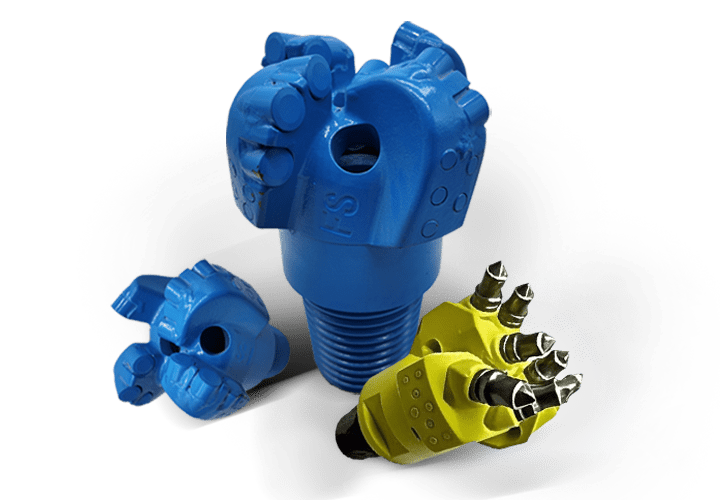
To make the most informed choice, it helps to consult a trusted supplier. FSDRILL, a professional drill bit manufacturer, offers custom solutions tailored to your formation and rig specs, ensuring each bit delivers optimal performance on site.
Practical Selection Guidelines
Start with your ground type. Is it soft, medium, or hard? For soft, go with PDC Bit. For hard or mixed ground, use Tricone. Next, look at the job length. Long jobs need bits that last. Also, consider how deep you’ll drill and how much time you have.
When To Consider Hybrid Or Custom Solutions
Sometimes, neither PDC nor Tricone is perfect. That’s when hybrid bits help. They mix both types of cutters. Hybrids work well in tricky zones with changing layers. You can also get custom bits for unique jobs. These cost more, but they often save time and give better results.
Final Comparison And Expert Recommendations
It is not only the price that is important when making the right choice, but also the performance. When choosing a bit, always meet the depth, soil, and schedule of the task at hand. Never drill unless you are certain, and to be certain, just ask an expert.
Summary Table: Tricone Vs. PDC At A Glance
| Feature | Tricone Bit | PDC Bit |
| Cutting Style | Rolling, grinding | Fixed, slicing |
| Best Formations | Hard, mixed | Soft, medium |
| Bit Lifespan | Moderate | Long |
| Speed | Slower | Faster |
| Upfront Cost | Lower | Higher |
| Downtime | Higher | Lower |
When To Choose Each Type Of Bit
Use a PDC Bit if you're drilling in soft or medium soil. It’s fast, lasts long, and saves time. Use a Tricone bit if your site has hard or changing rock. It adjusts better and handles surprises. In very tough jobs, a hybrid may be your best option.
Conclusion
The right bit depends on your job. For soft ground and long runs, go with a PDC Bit. It drills fast and lasts longer. For rocky or mixed soil, choose Tricone. It may take longer but won’t fail when things get rough. Picking the right tool means saving time, money, and effort. For more drilling solutions, remember to explore our cutter bits to match your next job.