
In water well drilling, using the wrong bit can lead to frustrating delays, costly downtime, and wasted labor. This guide walks you through how to select drill bits that are truly durable, efficient, and capable of handling the realities of water well projects—so your team drills smarter and finishes faster.
What Makes a Water Well Drill Bit Truly Durable and Efficient
What True Durability Looks Like on the Jobsite
Durability in a water well drill bit goes far beyond surface hardness. It’s about how well a bit handles prolonged exposure to heat, pressure, and vibration without breaking down. When bits hold their shape under tough conditions, crews avoid unnecessary replacements and interruptions.
What also matters is build consistency. A durable bit resists wear from abrasive soils or heavy use, helping crews maintain depth and quality day after day. This reliability translates to long-term savings and more predictable project timelines.
How Efficiency Impacts Drilling Speed and Project Cost
An efficient bit doesn’t just cut—it clears. It moves debris fast, uses less energy, and reduces clogging or overheating. This leads to smoother, deeper drilling with fewer machine interruptions.
More efficient bits also stay sharper longer, which means fewer tool changes and faster job completion. Over time, that adds up to reduced labor hours, lower fuel use, and higher productivity for your entire operation.
Related Reading: Working Principle and Characteristics of PDC Drill Bit
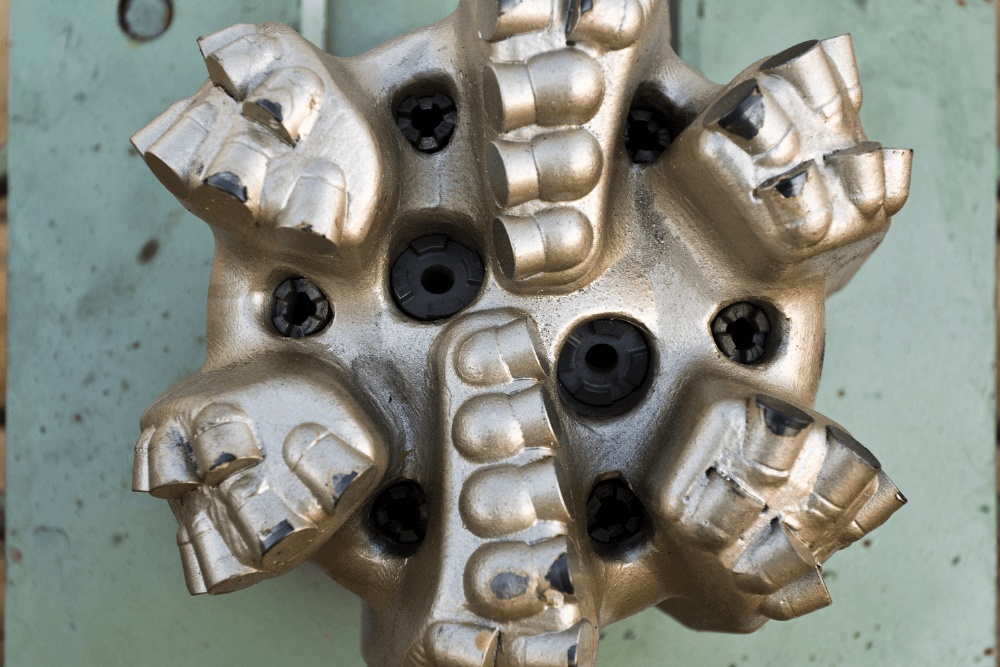
5 Key Challenges in Water Well Drilling – And How the Right Bit Solves Them
Formation Changes and Mixed Layers
Drilling through layers like clay, sand, and gravel in one borehole is tough on tools. A bit designed for versatility handles those changes smoothly, without stalling or degrading—keeping performance steady across shifts.
Bit Wear and Frequent Replacements
Low-grade bits tend to wear out quickly, causing delays and extra costs. A high-quality bit built with reinforced cutters and strong gauge protection can extend your tool’s life and keep jobs on track.
Slow Penetration in Dense or Packed Material
Dense formations put pressure on both bit and rig. Selecting a bit with aggressive cutting angles and robust teeth improves penetration, reduces vibration, and protects equipment from excess wear.
Equipment Compatibility Issues
Not all bits are created equal for every rig. When a bit doesn’t match your rig’s torque, RPMs, or thread type, performance drops and risk of failure rises. Use bits designed to work seamlessly with your equipment.
Budget Constraints with Long-Term Cost in Mind
Buying cheap may feel right at first, but the hidden costs—extra downtime, labor, and rework—can stack up. Investing in a proven, longer-lasting bit pays off by drilling more meters per use and reducing waste.
How to Choose the Right Water Well Drill Bit for Your Project
Match the Bit to the Ground, Not Just the Drill Rig
Before picking a bit, start by understanding what’s underground. Whether it's clay, gravel, or compacted sand, the right match minimizes wear, boosts speed, and prevents mid-job switching.
Selecting Bit Size, Thread Type, and Cutter Structure
Make sure your bit fits your drill string in both size and thread type. But don’t overlook the cutting structure—PDC cutters perform best in uniform conditions, while tricone bits flex with varied material.
Tips for Working in Sandy, Clay, or Gravel Conditions
Use wide-flow bits in sandy soil to prevent clogging. Clay formations call for sharp, self-cleaning cutters. In gravel-heavy zones, pick durable bits with reinforced sides to hold up against abrasion.
Questions to Ask Before You Place an Order
How deep are you drilling? Is the soil abrasive? Will reaming or casing be required? Answering these upfront ensures you choose a bit that meets the job—not just the specs.
Related Reading: The Ultimate Guide to Drill Bit for Mining
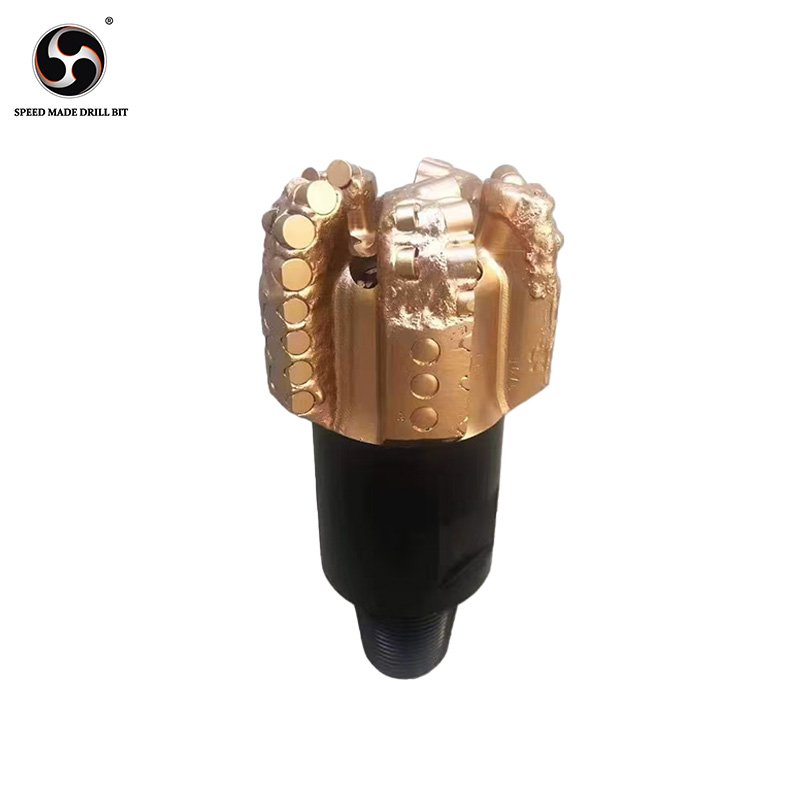
Real-World Drilling Use Cases: What Works in the Field
600-Foot Rural Water Well in Layered Soil
In a rural job with alternating clay and sand, crews used a hybrid bit with balanced cutters and open flow channels. It stayed smooth through transitions and didn’t jam—even over hundreds of feet.
High-Speed Drilling in Abrasive Conditions
Faced with tough, abrasive layers, one crew chose a reinforced carbide bit designed for speed and heat resistance. Penetration remained steady, and the rig didn’t overheat, saving hours per day.
PDC vs. Tricone: What Contractors Prefer in Mixed Zones
Some contractors now favor PDC bits in zones with moderate change. With fewer moving parts and longer wear, they drill faster, trip less, and cut down on mid-job tool swaps.
Where to Buy Reliable Water Well Drill Bits
In-Stock vs. Custom-Made Drill Bits
Need something fast? In-stock bits work for standard jobs. But if you’re working in unusual soil or need custom features, a made-to-order bit may solve problems before they start. A trusted PDC drill bit manufacturer can tailor bits to your drilling needs while ensuring quality from design to delivery.
Trusted Suppliers vs. Generic Resellers
Buy from a proven source. Authorized manufacturers back their tools with support, quality control, and transparency. Generic sellers often lack documentation, support, or consistent performance.
Warranty, Support, and Performance Guarantees
Always ask what happens if the bit fails early. Good suppliers offer warranties and support. If a seller can’t explain how their bit handles pressure or wear, that’s a red flag.
FAQs About Buying Durable and Efficient Water Well Drill Bits
What’s the Average Bit Life in Mixed Formations?
Typically between 1,000 and 3,000 feet, depending on soil hardness, bit design, and how it’s run.
Can I Use the Same Bit for Clay and Rock?
Yes—if it’s made for mixed-use. Otherwise, expect slower speeds and more wear.
Do You Recommend PDC or Tricone for Deep Water Wells?
PDC works best for speed and uniform soil. Tricone is better for varied conditions and control.
What Should I Do If My Bit Wears Too Fast?
Check your speed, pressure, and cooling. It may be the wrong type for your job.
Conclusion
Choosing the right water well drill bit isn’t just about reading specs—it’s about finding what performs reliably in real conditions. From minimizing downtime to cutting job costs, the right bit drives results.
Use this guide to evaluate your options, ask better questions, and partner with suppliers who understand the real-world demands of drilling. A better bit isn’t just a tool—it’s a smarter way to drill.