Drilling is all about having the right bit, no matter what the challenge. The two most popular ones are the PDC bit and the rock bit. Though both are used to penetrate above ground structures they have very different operations. Such information can save you time, money and effort in your next project.
The Basics: PDC Bit Vs. Rock Bit Explained
It is significant to know the basics before selecting a bit. PDCs as well as rock bits have the same destiny, but the difference lies in the manner in which they both work. So, we can find out how all of them work and when to employ them.
What Is a PDC Bit?
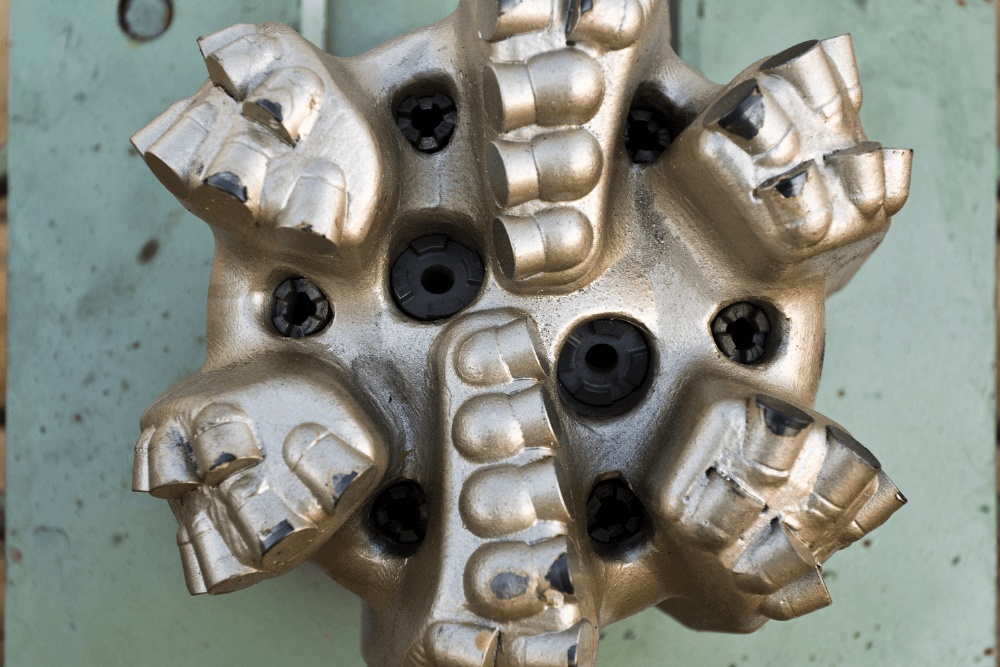
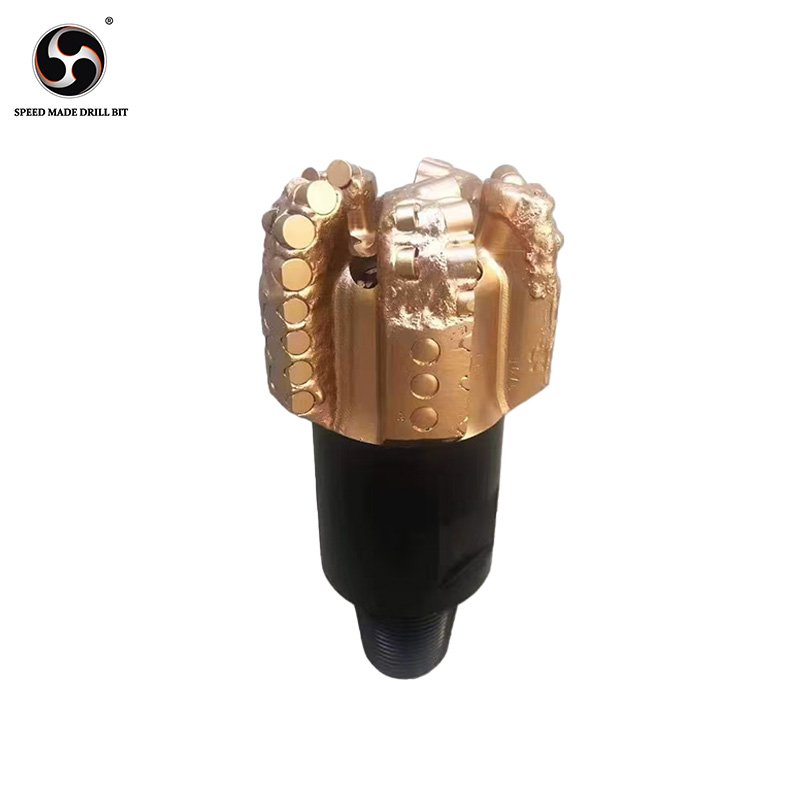
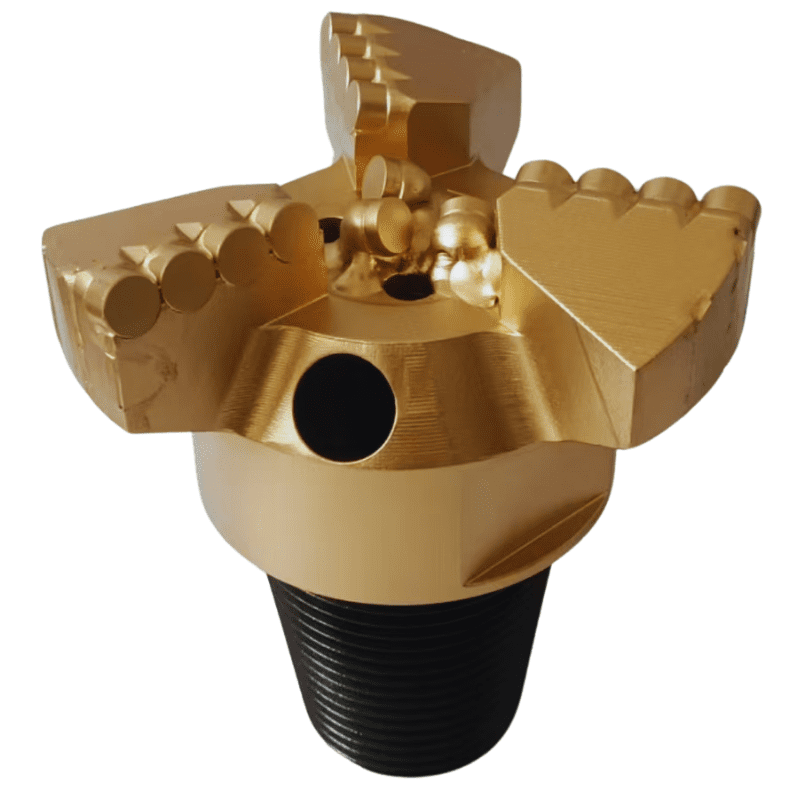
A PDC bit, or Polycrystalline Diamond Compact bit, is a drilling tool made for speed. It uses fixed cutters made of strong diamond material. Such cutters cut the rock, rather than break it. It has no moving elements. This is the reason why bits of PDC are considered smooth, rapid and effective in soft to medium stones.
What Is a Rock Bit (Tricone Bit)?
A rock bit, often referred to as a tricone bit, features three cones. These cones spin and crush rock as the bit rotates. The cones have teeth made of metal or tungsten carbide. Rock bits work better in more complex formations. They move slower than PDC bits but are stronger when things get tough underground.
Why Understanding the Difference Matters for Your Project
If you use a PDC bit in hard rock, it may break. When using a rock bit in soft rock, it can be slow and inefficient. That is why it is so significant to know the distinctions. A wise decision will result in a higher performance and less challenges.
Structural Differences Between PDC and Rock Bits
PDC and rock bits may appear similar at first, but their structures are quite different. Such design modifications influence the way they drill and conduct the work. When you know the difference, you can select the appropriate tool needed.
Cutting Mechanism: Shearing Vs. Crushing
PDC bits are cut by shearing. This means they slice through the rock like a knife through butter. The sharp diamond edges do the work quickly and cleanly. Rock bits crush instead. Their teeth smash and grind the rock with force. This requires more power but works well in solid and fractured formations.
Bit Components and Design
A PDC bit has a solid head. Its diamond cutters are fixed in place. There are no rolling parts. This makes the bit steady and straightforward. A rock bit, on the other hand, has three moving cones. Each cone spins as the bit turns. These cones have rows of teeth that dig into the rock.
Fixed Cutter Vs. Rolling Cone: Key Operational Contrast
This is the core difference. A PDC bit is a fixed cutter tool. It stays steady and slices through soft formations fast. A rock bit utilizes rolling cones that rotate and crush the ground. Fixed cutters are fast but can’t handle tough rock. Rolling cones are slower but tougher and more reliable in harsh environments.
Related Reading: Working Principle and Characteristics of PDC Drill Bit
Performance Comparison in Different Drilling Conditions
Not all bits perform the same in every drilling condition. The type of rock, depth, and drilling method can affect how each bit works. Let’s compare how PDC and rock bits handle different ground challenges.
Soft, Medium, and Hard Formation Suitability
PDC bits excel in soft to medium formations, such as shale and clay. They keep cutting without slowing down. But in very hard or broken rock, they can wear out fast. Rock bits are better suited for those tough spots. They grind their way through hard formations, such as granite and limestone, without failing.
Rate of Penetration (ROP) and Efficiency
In the right conditions, PDC bits offer higher speed. They dig faster and finish the job sooner. That means fewer drilling hours and lower costs. Rock bits are slower but more consistent. On difficult ground, they keep working when PDC bits might stop or break.
Bit Durability and Wear Resistance
When used correctly, a PDC bit can last longer. It doesn’t have moving parts that wear out. However, in hard or uneven formations, the cutting edges may chip. Rock bits have stronger bodies and rolling parts, allowing them to handle impact more effectively. But their moving cones do wear down with use.
Directional Vs. Vertical Drilling Performance
PDC bits are excellent for directional drilling. They allow better control and smoother turning paths. This makes them ideal for oil and gas wells that change direction. Rock bits are mostly used for straight holes. Their rolling action works best in vertical wells, where sharp turns are not required.
Common Challenges Faced When Selecting a Bit
Choosing the right drilling bit can be challenging. Every site comes with its own set of challenges. Let’s look at common problems engineers face when selecting between a PDC bit and a rock bit.
Formation Uncertainty and Tool Failure Risks
One big challenge is not knowing the exact rock type before drilling. Choosing the wrong bit based on guesses can lead to tool failure. A PDC bit in hard, fractured rock may stop working. A rock bit in soft ground may slow things down. That’s why formation studies are important.
Misalignment Between Bit Type and Project Needs
Each job is different. If you use a fast bit for a deep, rough project, it may not last. If you use a tough bit for shallow, soft soil, it's a waste of power. Matching bit type to project needs is key. The wrong match means delays and added costs.
Overcoming Budget Constraints Without Compromising Performance
It’s tempting to pick the cheapest bit. A cheaper product, however, that does not last long will cost you more in the long run. The objective is not price but value. It is possible to live without going over the budget yet doing something reasonable. This knowledge will enable you to prevent some expensive mistakes.
How to Choose the Right Bit for Your Operation
Each drilling task is different, this means that the bit you use ought to suit your project requirements. Many factors include the rock type, depth and drilling speed. Here's how to make the best choice between a PDC bit and a rock bit.
Key Factors to Consider: Formation, Depth, RPM, and WOB
Begin by examining your drilling conditions. What’s the formation type—soft, hard, or mixed? How deep will you go? Then check RPM (rotations per minute) and WOB (weight on bit). PDC bits work best at high RPMs with steady weight. Rock bits need more weight but spin more slowly.
Bit Selection Checklist for Engineers and Buyers
Here’s what you should always know:
- Type of rock you’ll drill
- Drilling depth and well plan
- Your rig’s capabilities (speed and pressure)
- Time and budget limits
Use this info to pick between speed (PDC) and strength (rock bit).
When to Use PDC and When to Choose a Rock Bit
Use a PDC bit if:
- You’re drilling in soft or medium ground
- You need fast drilling
- You’re steering a directional well
Use a rock bit if:
- You’re drilling in hard or broken rock
- You need strength more than speed
- You’re drilling a straight, vertical hole
Enterprise Perspective: Helping Clients Make Informed Bit Choices
At FS Drill, we do more than just supply drilling tools—we help you make smart decisions. With expert support and tailored services, we ensure you choose the right bit for your site. Here’s how we help clients get better results, every time.
Our Technical Support and Formation Analysis Services
At FS Drill, we know that every project is unique. That’s why our team offers expert guidance to help you select the right bit. We study your formation, drilling plan, and performance needs. We then recommend the best tool, either PDC or a rock bit, for achieving success in the field.
Conclusion
Understanding the difference between a PDC bit and a rock bit can make or break your drilling job. A PDC bit is fast, sharp, and ideal for soft to medium rock. A rock bit is slow but powerful, made for tough, hard formations.
When you make the correct bit selection, you drill quicker, you minimize tool damage and you cut down on costs. But when you make a bad choice, you hamper your project flow and add costs to it.
Need help choosing the right cutter bit? At FS Drill, we provide expert advice and custom drilling tools tailored to your project. From the first turn to the final hole, we’re with you every step of the way.