
Drilling through tough, abrasive rock formations often leads to slow progress, frequent bit changes, and high operational costs. PDC drill bits were specifically designed to address these challenges. They offer faster drilling speeds, longer lifespans, and greater efficiency.
In this article, we will break down the working principle and key characteristics of PDC drill bits, helping you understand how they can optimize your drilling operations, reduce downtime, and cut costs.
What Are PDC Drill Bits?
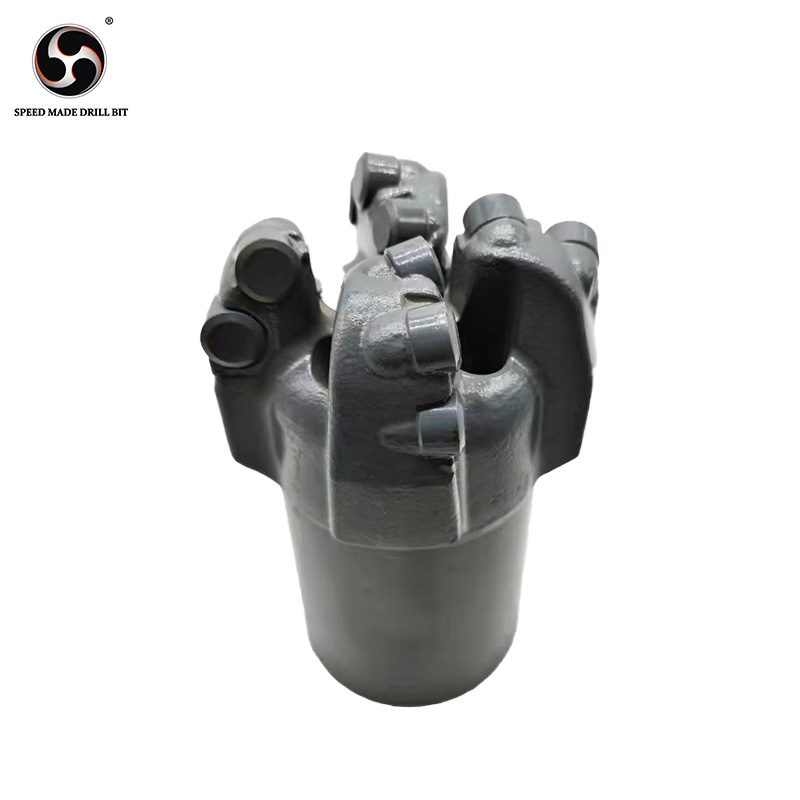
PDC drill bits are specialized tools designed for drilling through tough and abrasive rock formations. Made from synthetic diamonds, these bits are built for high performance, providing faster drilling speeds and longer bit life compared to traditional drilling tools.
Key Components of a PDC Drill Bit
PDC drill bits have several critical components that contribute to their efficiency:
- Diamond Inserts: The core of PDC bits, providing exceptional hardness and wear resistance.
- Carbide Body: Offers strength and durability while housing the diamond inserts.
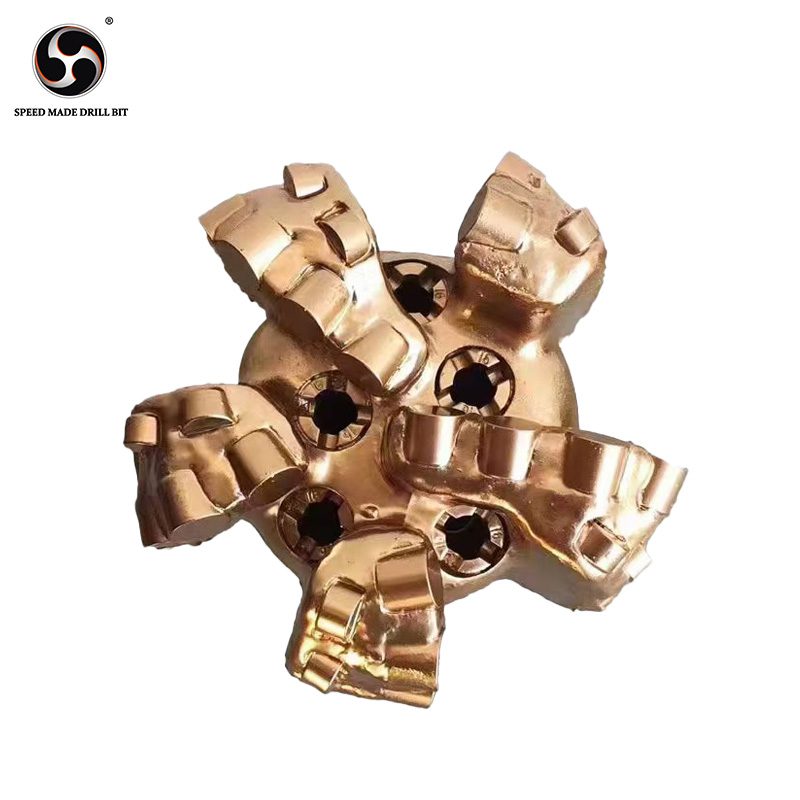
- Blade Design: The arrangement of blades affects the cutting performance and overall efficiency of the bit.
Related Read: What Is a PDC Drill Bit?
Working Principle of PDC Drill Bits
Understanding the working principle of PDC drill bits is crucial when selecting the right tool for your drilling needs. Unlike conventional rotary bits, PDC bits offer superior performance in tough formations.
How PDC Bits Cut Through Rock
PDC bits use a shearing action to cut through rock, unlike traditional bits that rely on grinding. The diamonds on the cutter face shear the rock layers with precision and speed, making them more efficient than grinding or crushing actions used by conventional drill bits.
The Role of the Diamond Cutter
The diamonds on the PDC bit are incredibly hard, allowing them to cut through even the hardest rock formations without significant wear. These diamond cutters maintain sharpness and continuously grind away the formation, reducing friction and improving drilling speed.
Characteristics of PDC Drill Bits
The unique characteristics of PDC drill bits make them the preferred choice for many drilling applications, especially in tough conditions.
High Durability and Wear Resistance
PDC drill bits stand out due to their exceptional durability. The diamond cutters maintain their sharpness for long periods, significantly reducing the frequency of bit changes and improving overall drilling efficiency.
Faster Drilling Speeds
PDC bits are designed to achieve higher rates of penetration (ROP), resulting in faster drilling times and reduced project costs. This is especially important in industries like oil and gas, where time and efficiency are critical.
Long-Lasting Performance
Though the initial investment in a PDC drill bit may be higher, its long lifespan and fewer replacement needs make it a more cost-effective option in the long run.
Types of PDC Drill Bits
PDC drill bits come in different designs, each suited for specific applications and geological formations.
Standard PDC Bits
These are the most commonly used PDC bits, designed for general drilling operations in moderate rock conditions. They provide a good balance of performance and durability.
Enhanced PDC Bits for Harder Formations
For particularly tough rock formations, enhanced PDC bits are designed with reinforced diamond cutters and reinforced bodies to withstand increased wear and tear.
Hybrid PDC Bits
Hybrid bits combine PDC cutters with tungsten carbide inserts, making them ideal for formations with varying hardness, offering better performance in mixed conditions.
Advantages of Using PDC Drill Bits
PDC drill bits are known for their numerous advantages, which explain their widespread use in the drilling industry.
Cost-Effectiveness Over Time
While PDC bits come with a higher upfront cost, they offer significant long-term savings by reducing downtime, the need for frequent bit changes, and operational costs. The total cost per meter drilled is often much lower than that of traditional bits.
Increased Operational Efficiency
With PDC drill bits, you can drill faster, reduce downtime, and improve hole quality, all of which contribute to improved overall operational efficiency.
Selecting the Right PDC Drill Bit for Your Project
Choosing the correct PDC drill bit for your specific drilling project is crucial for achieving the best results.
Consider the Formation Type
The hardness and abrasiveness of the rock you are drilling through play a significant role in selecting the appropriate PDC bit. Harder, more abrasive formations require bits with stronger diamond inserts and reinforced designs.
Understand the Drilling Conditions
PDC drill bits perform differently depending on factors like weight on bit (WOB), rotary speed, and cooling methods. Understanding these factors will help you choose the most suitable bit for your specific drilling conditions.
Common Problems with PDC Drill Bits and How to Overcome Them
Despite their superior performance, PDC drill bits can face certain challenges. Understanding these potential issues will help you address them before they cause problems.
Bit Wear and Cutter Damage
PDC bits may experience cutter damage when drilling through particularly abrasive or mixed formations. To address this, opt for hybrid PDC bits or bits with reinforced diamond inserts for added durability.
Overheating and Overloading
Excessive friction can cause the PDC bit to overheat, reducing its performance and lifespan. Ensuring proper cooling and managing drilling parameters can help prevent overheating and extend the life of your bit.
Bit Selection Challenges
Choosing the right PDC drill bit can be tricky when drilling through formations with varying hardness. To make the right choice, consider the formation type, drilling depth, and bit specifications to ensure the best performance.
Conclusion
PDC drill bits are highly effective tools that improve drilling performance by offering faster speeds, longer lifespans, and greater efficiency. With their diamond cutters and durable construction, PDC bits can handle tough rock formations, reduce downtime, and lower operational costs. Understanding their working principle and characteristics will help you make more informed decisions, optimizing your drilling operations for better results.