
Choosing the right drill bit for rock drilling isn’t just about performance—it’s about safety, cost control, and project success. In mining, construction, and geotechnical work, the wrong tool can lead to delays, equipment damage, and rising expenses. With diverse rock types and tough site conditions, understanding which drilling tool fits your ground is essential. This guide helps you make the right choice—efficiently, safely, and profitably.
Why Choosing The Right Rock Drilling Tool Matters
When it comes to rock drilling, choosing the right tool is a critical decision that affects performance, safety, and long-term costs. The selection of the proper drilling tool can make or break your results.
The Risks Of Using The Wrong Tool On Hard Rock
For hard rock, such as granite or basalt, using the wrong type of drill may subject the drill bit to excessive wear, overheating, and even burnout. This does not only retard the process but may also impair drilling equipment, as well as endanger the safety of operators. Using the wrong equipment increases the risk of losing time, incurring additional costs, and compromising the quality of the borehole.
How Tool Selection Impacts Efficiency, Cost, And Safety
Efficiency is not being fast. It is consistent and accurate. The combination of the correct rock drilling tool and the hardness and abrasiveness of the rock effectively lowers the failure rate and increases the penetration rate. It also reduces downtime during bit replacement, resulting in substantial financial savings and improved operator safety. These drill bits are high-performance and precision-built, with durability in mind, and are our choice among them.
What Enterprise Buyers Should Consider Before Drilling
There are also enterprise-level drilling operations to consider, where factors such as geological conditions, project duration, drilling rig capacity, and environmental impacts are carefully evaluated. At scale, tool lifespan and predictability of performance are even more essential. This is why one should select drill bits that can accommodate specific formations and operational objectives.
Common Rock Types And Their Drilling Challenges
To select the most effective rock drilling tool, it's essential to understand the characteristics and challenges of common rock types encountered in the field.
Understanding Hardness And Abrasiveness In Rocks
The Mohs scale is usually used to measure the hardness of a rock, whereas the abrasiveness is the extent to which the tool is worn out by the rock. Lighter formations, such as shale, are easy to drill but can cave in. In contrast, a natural formation of quartzite requires thicker tools. Being aware of these characteristics, it is possible to understand what type and material the drill bit must-have.
Drilling Through Granite, Basalt, Limestone, And Shale
Each rock type presents unique challenges:
· Granite: Extremely hard and abrasive; requires PDC or diamond bits.
· Basalt: Similar to granite but often fractured; DTH hammer bits perform best.
· Limestone: Softer and more manageable to drill but may have voids or water channels.
· Shale: Soft but can become sticky or collapse; tricone or drag bits may be suitable.
A successful integration of the drill bit and the formation ensures optimal penetration and minimal wear and tear.
How Mixed Ground Conditions Complicate Tool Choice
In drilling processes, there is hardly any unique type of rock. The mixed formations could consist of beds of both hard and soft stones, and these might demand more flexible bits (i.e., the tritone bit) capable of operating under different levels of resistance. The selection of multi-functional tools would reduce the number of bit changes, keeping the operations on track.
Overview Of Rock Drilling Tool Options
With a wide variety of drilling tools available on the market, selecting the right one begins with understanding the types of bits and where they perform best. Below is an overview of the most commonly used rock drilling tools, along with their strengths and ideal applications.
PDC Bits – Best For Soft To Medium-Hard Formations
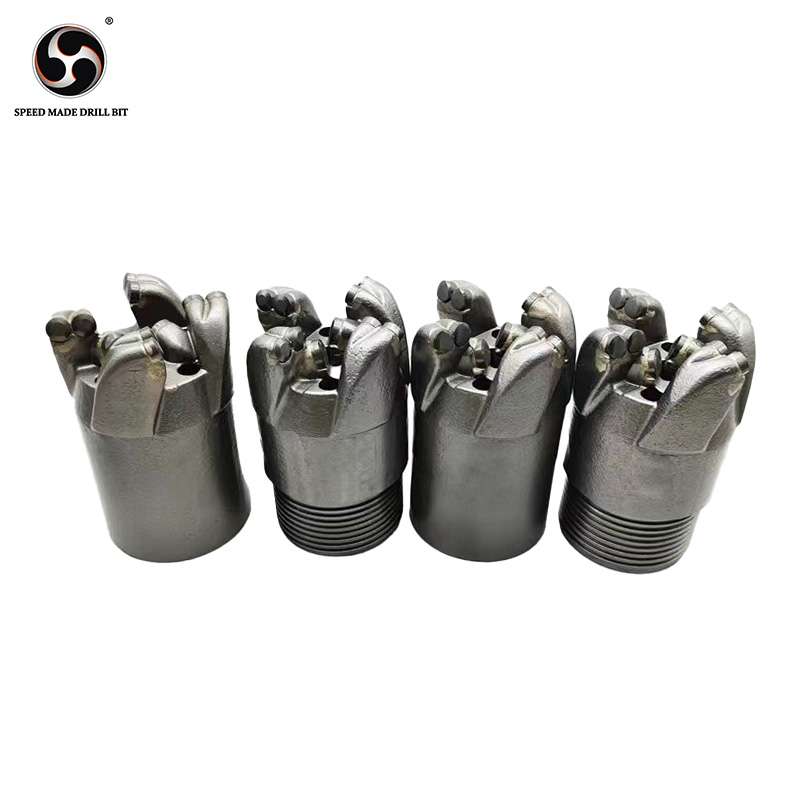
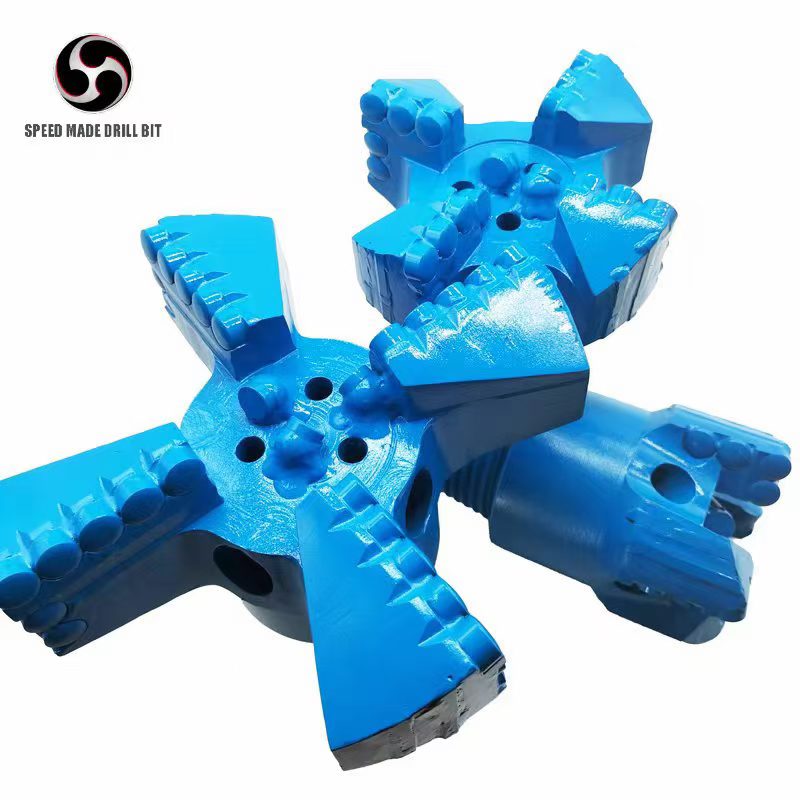
As a cutting tool, Polycrystalline Diamond Compact (PDC) bits are composed of synthetic diamonds, making them extremely aggressive. They are suitable for soft to medium formations, being swift and having a long lifespan. PDC bits are the preferred choice in drilling, exploration, and oil and gas applications due to their ability to sustain long-term operation without the need for frequent bit changes.
Tricone Bits – Versatile And Common In Mixed Geology
Tricone bits -three rotating steel or tungsten carbide-inserts cones. They are very flexible and can, therefore, be used in many formations, particularly those with mixed ground conditions. In numerous industries, the tricone bits provide a credible performance-to-cost ratio.
DTH Hammer Bits – Ideal For Hard, Abrasive Rock
Down-the-hole (DTH) hammer bits are compressed air-powered bits that offer percussive force directly behind the drill bit. They are suitable for use in harsh and abrasive rocks where rotary bits cannot operate. These tools provide straight holes and rapid penetration even in the most strenuous environment.
Diamond Bits – Precision Drilling For Ultra-Hard Rock
The most complex geological formations are made using diamond core bits. They are primarily utilised in the exploration of minerals, where the core can be removed and cleaned, and accurate drilling can be carried out. Their high initial cost is compensated by unparalleled precision, as well as top-level performance in the specialised application.
Drag Bits – Low-Cost Option For Soft, Unconsolidated Material
Drag bits have fixed blades that scrape the material and are most effective in soft clays, sands, and unconsolidated soils. Although they do not deliver in hard ones, they are economical and efficient on shallow or preliminary drilling.
Related Reading: Key Distinctions: Hammer Drill vs Regular Drill
How To Select The Proper Tool Based On Drilling Needs
Choosing the right rock drilling tool requires a thorough understanding of geological conditions, drilling methods, and operational capabilities. Here's how to make an informed selection tailored to your specific drilling needs.
Match Bit Type To Rock Hardness And Formation
Among the most significant factors in selecting a drill bit is understanding the geology of the drilling site. For soft rocks, such as limestone or clay, drag bits or PDC bits are best suited. DTH hammers or diamond bits are more effective on complex formations, such as basalt or granite. The material and design of the bit should always be suited to anticipate the ground conditions.
Consider the Drilling Method: Rotary, Percussive, Or Down-The-Hole
Each drilling method pairs best with specific bit types:
· Rotary drilling is best suited for use with tricone or drag bits.
· Percussive drilling: Performs well with hammer and chisel-style bits.
· DTH drilling: Requires DTH hammer bits for deep, brutal rock penetration.
Drilling with an appropriate drill bit that matches your drilling style enhances productivity while minimising the risk of damaging the tool.
Align Bit Selection With Equipment Type And Power Specs
The RPM, the torque, and the weight on bit (WOB) of your rig should be taken into consideration. Application of a bit that consumes more power than your equipment can provide can lead to slow puncturing and early wear. Ensure that the drill bit's specifications align with the rig's requirements.
Evaluate Budget, Bit Life Cycle, And Project Length
Top-range jaws, such as diamond or PDC bits, may be more expensive initially but tend to yield more meters per dollar in the long run. A cheaper bit can be done with short-term or shallow projects. When making decisions, always entertain cost-per-meter. Here, you can compare the investment in your drill bit to achieve a better ROI.
Key Technical Factors That Influence Tool Performance
Understanding and fine-tuning these factors ensures both safety and efficiency on-site.
Weight On Bit (WOB), RPM, And Penetration Rate
The most effective way to maximise drilling efficiency is through the optimisation of WOB and RPM. An overload can cause bit failure; an underload destroys penetration. Alignment of the design of the bit with prospective operating parameters provides balanced wearing and greater advancement.
Importance Of Flushing Systems And Cuttings Removal
Poor methods of removing cuttings may result in clogging of bits, overheating, and instability of the boreholes. Regardless of the type of water flushing, air flushing, or foam flushing, ensure that your flushing system is sufficient for the formation and design of the drill bit. Good flushing enhances the life and cleanliness of your borehole.
Tool Joint, Thread Compatibility, And Connection Standards
Any drill bit should integrate seamlessly with rods and subs. The choice of thread type (e.g., API, REG, IF) and the integrity of the joint are essential, and the integrity is extremely critical with high torque and impact loading. Always check for compatibility, as a failure of a thread or downtime can occur.
Related Reading: Working Principle and Characteristics of PDC Drill Bit
Common Mistakes In Rock Drilling Tool Selection
Many drilling operations face costly setbacks due to simple but avoidable mistakes in tool selection. Below are some of the most common missteps that professionals and enterprise buyers should watch out for.
Overlooking Ground Survey Before Choosing Bits
The inability to conduct a proper site assessment leads to the improper selection of bits. The types of rocks, faults, and abrasiveness can be determined using a simple geotechnical survey. Drill bit selection should always be based on this data.
Using Low-Grade Tools In High-Impact Environments
The low-priced components can initially save money, but in a rigorous environment, they must be replaced at a high frequency, thereby increasing long-term costs. High-performance bits that are supplied by reputable drilling tool suppliers are safe and durable.
Failing To Match Tool With Rig Capability
One error frequently met is the use of high-tech bits with weaker or incompatible rigs. This misalignment restricts the effectiveness of the bits and may even damage or cause failure of tools.
Maintenance And Cost Optimisation Strategies
Proper maintenance and cost management are just as critical as selecting the right drilling tool. Let’s explore how to keep your rock drilling tools in peak condition while optimizing your cost-per-meter.
Bit Regrinding, Sharpening, And Refurbishment Tips
Well-maintained components can often be reconditioned to prolong their lifespan. This restoration can be done on PDC bits, which can be re-tipped (or ground) to regain cutting surfaces. Set the frequency of inspections and refurbishments to use it to the maximum.
How To Calculate Real Cost-Per-Meter
Never judge a book by its price alone. Compute the total meters drilled, hours consumed, and total cost (including failed and downtime periods). To calculate a good measure of tool value, divide the total cost by meters drilled to get the actual cost-per-meter.
Tips For Extending Tool Life And Reducing Downtime
· Use proper WOB and rotation speed.
· Keep flushing systems in top condition.
· Inspect bits for wear regularly.
· Store bits in clean, dry environments.
· Avoid sudden directional changes while drilling.
With proper maintenance and the intelligent application of tools, tool life can be substantially increased, and unplanned downtime can be significantly reduced.
Partnering With The Right Manufacturer
Beyond choosing and maintaining the right tools, working with a trusted supplier can make all the difference. FSDRILL is a professional drill bit manufacturer that provides high-performance products and custom solutions tailored to specific geological and operational needs. Their expertise ensures you have the right tools for maximum efficiency, safety, and profitability.
Conclusion
Selecting the appropriate drill bit in rock drilling is not a matter of general selection; instead, one needs to consider the geological situation, drilling method, equipment specifications, and project objectives. By matching the type of bit that can be used with the kind of formation and drilling process, buyers of enterprises and project managers can be assured of efficiency, savings, and safety.