A used drill bit can tell you more than a model name. It shows the blade arrangement, cutter positions and flushing outlets in one object. It also carries something less helpful: the changes left by service. Making a replacement means separating the original design from the wear.
What can you reuse, and what needs restoring?
A connection marking, an intact mounting surface or the remaining cutter pattern can help identify the tool. A worn outer edge, a chipped cutting face or a repaired patch needs a different reading.
Suppose the outside of a bit has worn down. Its measured diameter describes the used tool. Copying that measurement into a new drawing could reproduce the worn size. A previous order, an original drawing or the required finished-hole size can help establish the cutting diameter the replacement should have.
Repeat a successful design, or solve a problem?
“This worked well; we need another batch” and “it keeps failing in the same place” are different briefs. The first calls for recovering the working configuration. The second needs the damage location and some context about the ground and how the tool was used.
Photograph the complete bit, its face, its side and the damaged area. Mark any repair welds. A close-up of a fracture is useful, but the wider views show where it sits within the whole tool and help distinguish original features from later repairs.
Turning the sample into a new drawing
Think of the bit in three parts. The lower section cuts the ground. The body supports the cutters and contains the passages. The upper section connects to the existing tooling. Establish the cutting envelope, cutter or holder positions, connection and passage layout, then bring them together in the proposed part.
Imagine a buyer supplies a worn head with one missing cutter and wants a body for local cutter installation. The new drawing needs to recover the required cutting diameter, define the missing pocket around the selected cutter, and retain the connection used by the existing assembly. Replacing the missing cutter involves its installed working position as well as the shape of the empty seat.
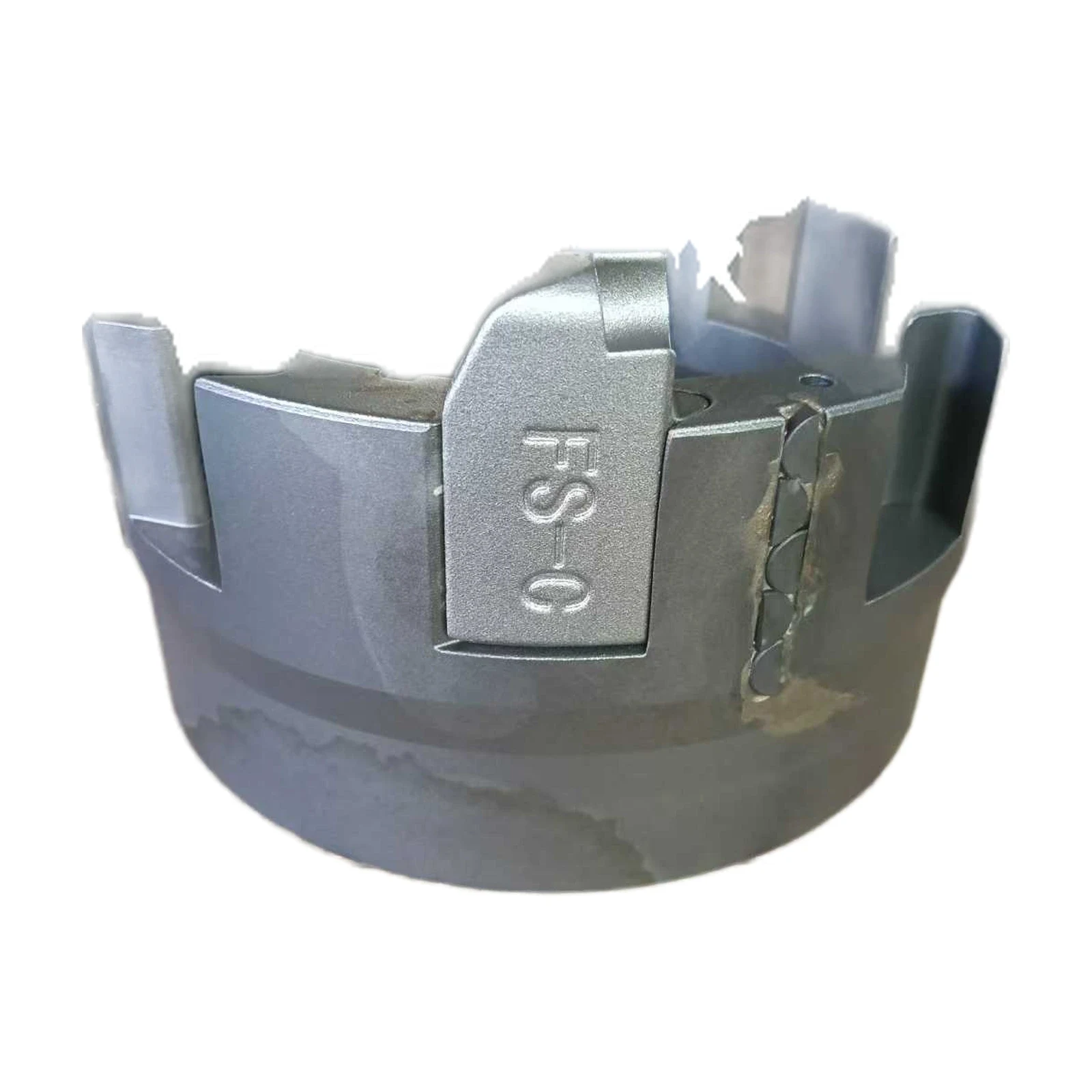
Why a body quote differs from a finished-bit quote
The FSDRILL bodies and cutter holders show components before final assembly. A blank still needs the agreed machining. A machined body has the specified connections and seats completed. A finished bit adds the cutters and assembly work included in that order.
Two prices can therefore cover very different amounts of work. Compare the stage of delivery before comparing the totals.
You can begin the discussion before every document is available. Send the sample photographs and the problem you want to solve on WhatsApp. Use the same sample reference when adding drawings or measurements. Once the design is agreed, keep the new drawing separate from the old-sample record so repeat orders follow the confirmed revision.