
When it comes to drilling through hard surfaces like stone, concrete, or glass, nothing beats the cutting power of diamond drill bits. But have you ever wondered what kind of diamond gives these tools their incredible strength? Contrary to what most people think, these bits don’t use large gemstones — they rely on industrial diamonds designed specifically for performance, precision, and longevity.
In this guide, we’ll break down everything you need to know: the types of diamonds used in drill bits, how they’re made, where they work best, and how to choose the right diamond bit for your job.
Understanding Diamond Drill Bits
Diamond drill bits are specialized tools embedded with diamond particles at their cutting edge or surface. These diamonds create a grinding action rather than a traditional cutting motion, allowing the bit to wear away even the hardest materials like granite, marble, ceramics, and reinforced concrete.
The reason diamonds are ideal for drilling is simple:
- Hardness: Diamonds are the hardest naturally occurring material on Earth, rated 10 on the Mohs scale.
- Heat Resistance: They can withstand the high friction temperatures created during drilling.
- Precision: Diamonds maintain sharpness far longer than tungsten carbide or steel alternatives.
The Two Main Types of Diamonds Used in Drill Bits
When manufacturers produce diamond drill bits, they choose between two main diamond types, depending on the drilling application and cost requirements.
Natural Diamonds
Natural industrial diamonds are real diamonds that aren’t suitable for jewelry. They’re often small, irregularly shaped, and less transparent. Despite that, they offer excellent toughness and can be used in high-precision drilling applications where performance is critical.
Advantages of natural diamonds:
- Exceptional wear resistance
- High thermal stability
- Consistent performance on hard geological formations
These are commonly used in geological and oil exploration, where drill bits must withstand thousands of meters of drilling.
ynthetic (Lab-Grown) Diamonds
Today, most diamond drill bits use synthetic diamonds, which are grown in a lab through two main methods:
- HPHT (High-Pressure High-Temperature)
- CVD (Chemical Vapor Deposition)
Synthetic diamonds offer consistent size, purity, and hardness — crucial for industrial performance. Because they can be mass-produced, they also make diamond bits more affordable and customizable.
Advantages of synthetic diamonds:
- Uniform quality and size
- Cost-effective
- Controlled properties (can tailor toughness and sharpness)
- Environmentally sustainable compared to mining
These diamonds dominate modern construction, glass, and stone drilling industries.
How Diamonds Are Bonded to Drill Bits
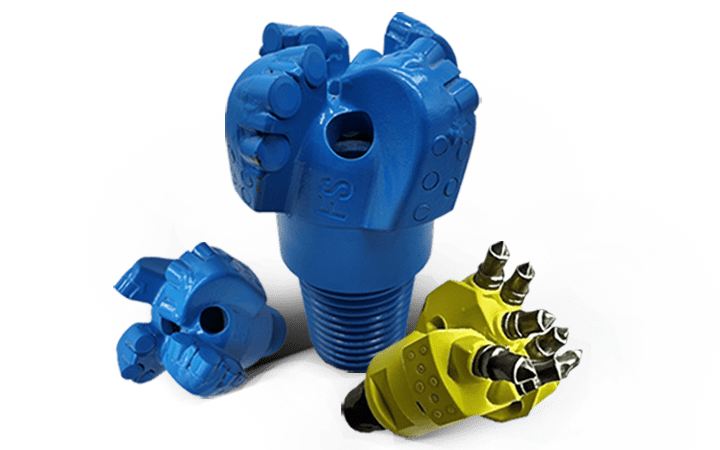
The way diamonds are attached or bonded to the bit body determines the tool’s efficiency and lifespan. There are two primary bonding methods:
Metal-Bonded Diamond Bits
Here, diamond particles are sintered into a metal matrix, typically made of bronze, cobalt, or iron. As the bit wears down, new diamonds are gradually exposed, ensuring continuous cutting performance.
These are ideal for stone, concrete, and tile drilling, where constant abrasion is required.
Pros: Long lifespan, steady performance, suitable for dry and wet drilling.
Cons: Slower cutting speed compared to resin bonds.
Electroplated (Nickel-Bonded) Diamond Bits
In this process, diamonds are electroplated onto the surface of the bit in a single layer. This gives sharper initial cutting and faster speed, though the tool wears out sooner.
Common uses:
- Glass and ceramic drilling
- Fine finishing work
- Situations requiring minimal vibration or chipping
Pros: Fast cutting speed, excellent for precision work.
Cons: Shorter service life; not ideal for long or deep drilling tasks.
Types of Diamond Drill Bits and Their Applications

Understanding the type of diamond is only half the story. The design and construction of the drill bit determine where it performs best.
Diamond Core Drill Bits
These are hollow cylindrical bits used for extracting core samples or creating holes in hard materials like concrete and rock. They use a metal-bonded diamond rim to grind through the material efficiently.
Common in geological surveys, water-well drilling, and mining.
Diamond Tip Drill Bits
These bits feature a diamond-coated tip rather than a full diamond matrix. They’re used for precision drilling on materials like ceramics, glass, and porcelain.
They cut clean holes without cracking delicate surfaces — perfect for home improvement or lab work.
Diamond Drill Bits for Stone
These bits are optimized for granite, marble, quartz, and concrete. They often use sintered synthetic diamonds bonded with metal to withstand heavy friction. Water cooling is recommended to prevent overheating.
Diamond Drill Bits for Glass
Drilling glass requires control and sharpness — not brute force. Electroplated diamond bits are preferred because they grind smoothly and minimize cracks. Keeping the glass cool with water or oil ensures a clean finish.
Why Industrial Diamonds Are Better for Drill Bits
Many people assume that “real” diamonds must mean better performance. In industrial use, however, synthetic diamonds outperform natural ones in several ways:
- Consistency: Every particle is identical in size and shape, giving uniform performance.
- Availability: Unlimited production means no supply limitations.
- Customization: Engineers can adjust diamond size, strength, and concentration to match the drilling material.
- Price Efficiency: Lower production cost translates to affordable, high-performance tools.
This is why companies like FSDRILL rely heavily on synthetic industrial diamonds for their drill rods and coring tools — offering users precision, reliability, and cost savings in long-term operations.
Explore professional-grade drill rods and diamond tools at FSDRILL to find solutions designed for durability and consistent results.
Factors That Affect Diamond Drill Bit Performance
Even the best diamonds won’t perform well if other factors are ignored. To maximize performance and lifespan, consider:
Drilling Speed
Excessive speed creates friction and heat, reducing the diamond’s bonding strength. Use the recommended RPM for your drill bit size and material hardness.
Cooling and Lubrication
Water is the best coolant for diamond bits. It helps remove debris, reduces heat buildup, and prevents premature wear. Dry drilling without cooling can burn diamonds quickly.
Pressure and Feed Rate
Let the diamond do the work — applying too much pressure causes damage. Maintain moderate, steady pressure for clean cuts.
Material Hardness
Different stones and surfaces have varying hardness. Always match the bond hardness of the bit to the material hardness — soft bonds for hard materials and hard bonds for soft materials.
Environmental and Sustainability Aspects
Modern diamond bit manufacturing increasingly emphasizes eco-friendly synthetic production. Compared to natural diamond mining, which can cause environmental disruption, lab-grown diamonds use less energy and no harmful extraction methods.
Additionally, high-efficiency drill bits reduce waste and energy use on-site by cutting faster and lasting longer. As industries shift toward sustainability, synthetic industrial diamonds represent a greener, smarter choice.
Choosing the Right Diamond Drill Bit
Here’s a quick overview to help you decide which type suits your project:
| Material | Recommended Diamond Bit Type | Bond Type | Cooling |
| Granite / Concrete | Diamond Core Bit | Metal-Bonded | Water |
| Marble / Stone Tile | Diamond Drill Bit for Stone | Metal-Bonded | Water |
| Glass / Ceramic | Diamond Tip Bit | Electroplated | Water |
| Porcelain / Quartz | Diamond Tip Bit | Electroplated | Water |
| Hard Rock / Geological | PDC or Core Bit | Metal-Bonded | Water / Oil |
When in doubt, consult professionals who can match your drilling environment with the ideal diamond and bit type.
Maintenance Tips to Extend Lifespan
A few simple habits can make your diamond drill bits last longer:
- Always start at low speed and increase gradually.
- Keep constant water flow to remove debris.
- Avoid side pressure — drill straight down to prevent chipping.
- Dress the bit if cutting efficiency drops; this exposes fresh diamonds.
- Store properly to prevent rust or contamination.
The Future of Diamond Drill Technology
The evolution of synthetic diamond technology — including nano-structured and composite diamonds — is making drill bits sharper, cooler, and more durable. New bonding techniques, such as laser-sintering and vacuum brazing, allow diamonds to maintain adhesion even under extreme loads.
As industries like construction, mining, and renewable energy grow, diamond drill bits will remain essential tools for high-precision and sustainable drilling.
Conclusion
So, what type of diamond is used for drill bits?
Mostly synthetic industrial diamonds — engineered for precision, consistency, and durability. Natural diamonds still have niche uses, but synthetic ones now lead the industry thanks to cost efficiency and performance.
Whether you’re cutting stone, coring rock, or drilling glass, choosing the right diamond tip drill bit makes all the difference. Pair that with proper cooling and pressure control, and your tools will cut cleaner, faster, and last longer.
Frequently Asked Questions
Are real diamonds used in diamond drill bits?
Not the gem-quality kind. Drill bits use small natural or synthetic industrial diamonds designed for performance, not appearance.
What’s the difference between metal-bonded and electroplated diamond bits
Metal-bonded bits last longer and suit heavy materials like stone; electroplated bits cut faster and are ideal for glass and ceramics.
Can diamond drill bits be used without water?
It’s not recommended. Water cools the bit, clears debris, and prevents damage from heat buildup.
How long do diamond drill bits last?
Depending on material hardness, speed, and cooling, they can last anywhere from a few hours to dozens of drilling sessions.
What’s the best diamond drill bit for glass?
Electroplated diamond tip bits — they cut cleanly and minimize cracking when used with water lubrication.