
A popular and efficient way of drilling deep holes in the ground is through rotary drilling. It has a rotary drill bit that penetrates rock and soil. It is employed in various sectors, including oil, gas, water well drilling, and construction industries.
In this article, we'll explore what rotary drilling is, how it works, and why it matters.
What You Need To Know About Rotary Drilling
Due to its efficiency and speed, rotary drilling is commonly used in the drilling of water, gas, and oil wells. It involves a rotating drill hole that is augmented by a rig, and drilling fluid is used to optimize the pressure and evolved gunk.
What Is Rotary Drilling?
Rotary drilling refers to a process of boring a hole in the ground to great depths. Its operation is based on its use of pressure to rotate a drill bit. The rotating vibration chops through soil and rock, making it a suitable and applicable option for deep drilling projects.
Why Is Rotary Drilling Important In Modern Projects?
Rotary drilling is a necessity because it allows us to access deep earth layers. It can be used in the search for oil, water, and minerals. It is also used in the construction of significant buildings and bridges.
How Rotary Drilling Works
To drill deep holes efficiently, rotary drilling involves entering the borehole with a spinning drilling bit that cuts through rock and dirt. Most frequently, mud is pumped into the drill bit to cool it, release cuttings, and secure the borehole.
Core Components Of A Rotary Drilling Rig
The rotary drilling system has the following key components:
- Drill Bit: Chisels in rock and soil
- Drill Pipe: Gives power and mud to the Pumps.
- Rotary Table or Top Drive: Provides rotation
- Mud Pump: Recycles drilling fluid
- Casing: Strengthens the borehole Holes
These parts work in collaboration to bore deeply and remain in control within the borehole.
The Basic Operating Mechanism Explained
After turning around, the bit drills into the earth. Crushed rocks are pulled upward by the drilling mud as it cools the bit and runs down the pipe. The number of pipes installed increases with the depth of the hole. Until the required depth is reached, this is done.
Role Of Drilling Fluids And Mud Circulation
Drilling fluids are significant in rotary drilling. They:
- Lubricate and cool the drill bit
- Take out the cutting hole
- Corner-prevention: Prevent collapse of a borehole
- The pressure of the formation of the balance
Drilling mud in the correct quantity can eliminate blowouts as well as damage to tools.

What Is Rotary Drilling Used For?
Deep holes are drilled using rotary drilling for geothermal energy, water wells, and oil and gas extraction. It is frequently utilized in both onshore and offshore drilling operations and is perfect for piercing hard rock formations.
Oil And Gas Exploration
The rotary drilling technology is one of the most effective oil and gas exploration methods, which involves extracting oil and gas deposits located several feet underground. It is cost-effective and time-saving, thus saving businesses costs even as the target zones are achieved on time.
Water Well Drilling
It is also implemented to tap groundwater. Rotary rigs used in the drilling of deep wells provide fresh water for residential and commercial areas. Minimal damage to the environment and the ability to drill quickly make it the right approach to clean-water sourcing.
Geothermal Energy Systems
Rotary drilling helps extract heat from the Earth. The hot rock layers are drilled to form deep wells, and the energy is utilized to operate turbines or to heat buildings. This advocates the development of sustainable and renewable energy.
Mineral And Resource Exploration
Mining companies use rotary drilling to sample the underground material. It assists in finding valuable resources such as gold, copper, or lithium. This is the initial exploration before opening a mine.
Construction Foundations And Infrastructure
A strong base is needed when constructing high-rise buildings or heavy bridges. Rotary drilling rigs are used in drilling pilot holes in which concrete piles and piers are driven to make sure that the structures are capable of withstanding several decades.
Types Of Rotary Drilling Methods
There are different types of rotary drilling. These include air rotary drilling, reverse circulation drilling, and direct rotary drilling. The chosen approach depends on the project's needs, soil properties, and site conditions.
Direct Rotary Drilling
This is the most frequent way. The fluid goes down into the drill pipe and into the bit. It takes the debris and scrolls it back up along the exterior of the pipe.
It is efficient on a wide range of ground types and is frequently applied in deep boreholes.
Reverse Circulation Rotary Drilling
This is the opposite in this case. The cuttings move up through the middle of the pipe, and the mud flows down the outside of it. It is more advantageous when the hole is big or when the drilling is deep.
This procedure facilitates the quicker elimination of materials and improves sample quality.
Air Rotary Drilling
The hole is cleaned with compressed air rather than liquid, and the bit is cooled. It is ideal for hard-rock landmasses and arid regions, where mud would not work.
Air rotary drilling also reduces environmental pollution.

Rotary Drilling Vs Other Drilling Methods
Rotary drilling is quicker and more effective than other methods, such as percussion and auger drilling. It works well in tough, deep rock areas. It’s often used because it’s productive and can manage harsh geologic conditions.
Comparison With Percussion And Auger Drilling
- Percussion Drilling: Uses pounding action, slower, more wear and tear.
- Auger Drilling: Shallow depths and soft soil: good.
- Rotary Drilling: Provides a more effective, cleaner, and faster drilling of enhanced precision.
Rotary drilling is preferred for complex, high-value projects.
When To Choose Rotary Drilling Over DTH Or Sonic
- DTH (Down-The-Hole): Perfect to drill holes in mines.
- Sonic Drilling: A fine tool in collecting undisturbed pieces of soil.
- Rotary: Most suitable in terms of depth, consistency, and large-scale operations.
This will depend on what you want to use your drilling project for.
Advantages And Limitations Of Rotary Drilling
In addition to being exceedingly deep and suitable for a variety of rocks and soils, rotary drilling offers a fast drilling speed. However, it is expensive, requires complex equipment, and is occasionally not suitable for soft or shallow terrain.
Key Benefits Of Rotary Drilling For Large-Scale Projects
- Drills deeper than most other methods
- Works in various terrains
- Fast and reliable
- Lower operational costs over time
Common Challenges Faced On-Site
- Bit wear and replacement
- Mud loss or overflow
- High noise levels
- Environmental concerns
They can be addressed through routine inspections and the installation of new equipment.
Factors That May Affect Drilling Performance
- Soil and rock hardness
- Bit type and size
- Mud properties
- Operator skill and equipment condition
It is possible to adjust settings to improve the drill rate and decrease the delays.
Choosing The Right Rotary Drilling Equipment
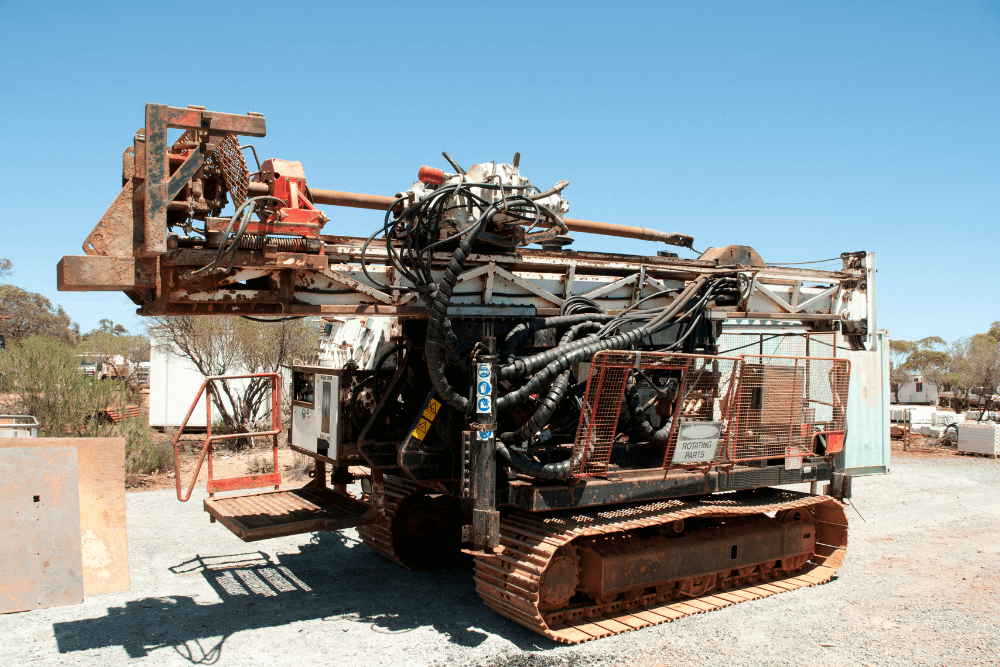
The project depth, the existing ground conditions, and the drilling goal all influence the choice of rotary drilling equipment. Other factors that significantly affect performance include the kind of drill bit, rig power, and fluid system.
Types Of Drill Bits And Their Applications
- Tricone Bits: General use in rock and soil
- PDC Bits: Hard formations
- Drag Bits: Soft and sticky clays
You can also explore more options at FSDRILL Drilling Rigs
Selecting The Proper Rig For Your Site Conditions
Each site is different. Consider:
- Ground conditions
- Hole depth
- Available space
- Transport access
Sites with tough rocks or remote access need rugged, mobile rigs.
Equipment Maintenance And Safety Protocols
Regular maintenance ensures safety and performance. Key steps:
- Check pressure lines and pump seals
- Replace worn bits and pipes
- Follow lockout procedures
- Train the crew on safety drills
Safety saves lives and reduces downtime.
Cost Considerations For Rotary Drilling Projects
The costs of purchasing or renting equipment, fuel, labor, and drilling fluid are all taken into account in rotary drilling operations. Site conditions and project depth also impact the overall budget requirements.
Estimating Project Costs And Equipment Usage
Main cost factors:
- Rig rental or purchase
- Fuel and maintenance
- Crew wages
- Drilling fluids and bits
Planning and budgeting help control costs.
Rental Vs Purchase: Making An Informed Decision
- Rent: Less initial outlay, suitable for short-term use
- Buy: Long-term savings, equipment management
Base your choice on project duration and frequency.
Long-Term Cost Efficiency And ROI Analysis
It has high initial costs, but rotary drilling offers a good return on investment (ROI) due to its speed and efficiency. Long-term profits and savings can be increased through effective governance.
Conclusion
Rotary drilling uses a rotating bit and drilling fluid to cut through rock and soil, enabling deep wells for oil, gas, water, geothermal systems, mineral sampling, and strong foundations. For beginners, focus on understanding how the bit rotates, how mud cools the bit and carries out cuttings, and why casing and regular maintenance keep operations safe. We hope this overview makes the basics clear.