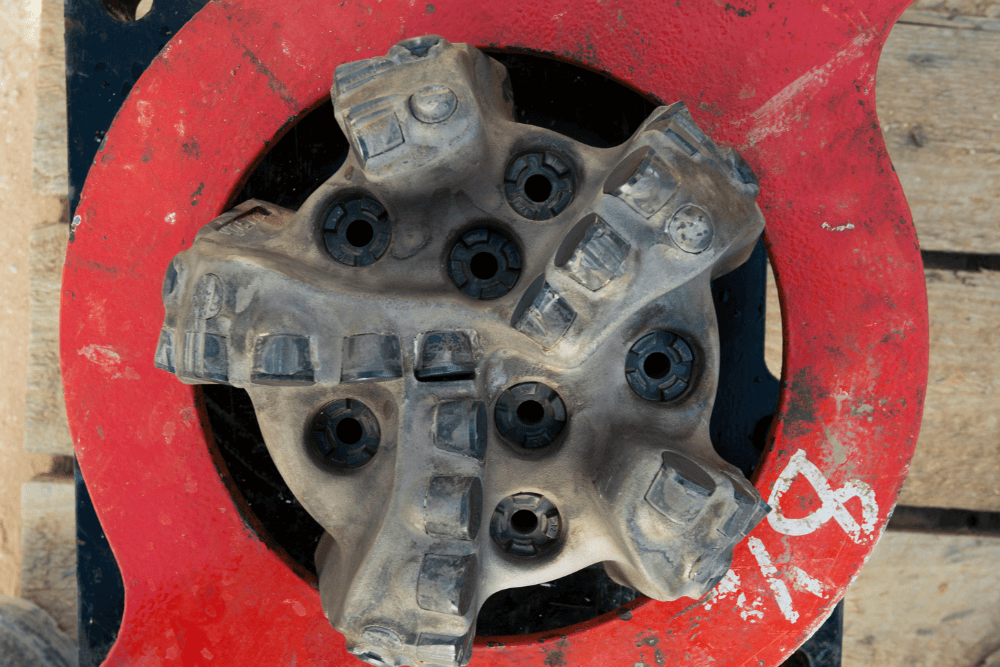
There’s no one-size-fits-all answer, because a bit’s lifespan depends on what you drill, how often you use it, and how well you maintain it. In general, most bits will last 30 to 100 hours of active use, while high-quality models can power through 200–500 hours before showing signs of wear.
If you’ve noticed slower drilling, rough hole edges, or the need to push harder than usual, it might be time for a replacement. In this article, we’ll show you how to spot the signs of a worn bit, what factors shorten or extend lifespan, and when it’s worth sharpening instead of replacing. You’ll also find practical tips to make your bits last longer, material-specific lifespan expectations, and a simple step-by-step guide for checking their condition.
Quick Signs You Need to Replace a Drill Bit
| Sign | What It Means |
| Slow cutting, even with proper speed/pressure | Cutting-edge is dull |
| Excess heat or smoke | The bit is worn, the wrong speed, or no lubrication |
| Chips turn to dust | Edge can’t cut cleanly |
| Shiny cutting edges | Edge is rounded off |
| Ragged or oversized holes | Bit is damaged or misaligned |
| Chipped tip or cracked flute | Replace immediately |

Factors That Affect Drill Bit Lifespan
Material Being Drilled
- Softwood: Gentle on bits; long lifespan
- Hardwood: More friction; needs sharper edges
- Mild Steel: Moderate wear rate with lubrication
- Stainless Steel: Hard on bits; requires cobalt and low RPM.
- Masonry/Concrete: Wear depends on rebar contact
Bit Type and Quality
- HSS: Good for wood, mild steel
- Cobalt: For hard metals; heat-resistant
- Carbide-Tipped: For masonry and tile
- Brad-Point, Spade, Auger: For woodworking
Drilling Technique
- Correct RPM and feed rate
- Steady pressure, no forcing
- Peck drilling for deep holes
Maintenance Habits
- Use cutting oil for metal.s
- Keep bits clean and rust-free ee.
- Store in original case
How to Extend the Life of Your Drill Bits
Match the Bit to the Job
- Brad-point for clean wood cuts
- Cobalt for stainless steel
- Carbide-tipped for masonry
Use the Right Speed and Pressure
- Slower for harder materials/larger bits
- Steady pressure to create continuous chips
Keep Bits Cool and Lubricated
- Oil for metals, water for tile/glass
- Pause to prevent overheating.
Store and Protect
- Keep in a dry case
- Avoid knocking edges together.r
Related Reading: What drill bit stays sharp longest?
Sharpen or Replace?
When Sharpening Makes Sense
- HSS or cobalt bits with dull edges but intact geometry
- Can be sharpened multiple times with a grinder or jig
When Replacement Is Better
- Chipped tips or cracked flutes
- Bent shanks
- Small bits (≤3 mm) — often not worth sharpening
Material-Specific Lifespan Guidelines
| Material & Bit Type | Expected Life with Good Technique | Replacement Signs |
| Softwood, HSS brad-point | Hundreds of holes | Tear-out, fuzzy edges |
| Hardwood, HSS brad-point | Dozens–hundreds | Burn marks, slow feed |
| Mild steel, HSS | 50–100+ holes | Squeal, blue chips |
| Stainless, cobalt | Dozens of holes | Smoke, purple chips |
| Masonry, carbide | Dozens–100+ holes | Rounded tip, slow progress |
| Tile/Glass, carbide spear-point | Few–dozens | Skating, chipped glaze |
Frequently Asked Questions
How often should I replace drill bits?
Replace when performance drops — not by date.
Can drill bits be sharpened?
Yes, HSS and cobalt bits can be sharpened many times if the geometry is intact.
Do drill bits expire?
No set expiry, but rust or damage can ruin them.
Which drill bits last the longest?
Cobalt and carbide tend to last longer in hard materials.
In Conclusion
The key takeaway is that drill bits don’t have a fixed replacement schedule — their lifespan depends on the material you’re drilling, how often you use them, your drilling technique, and how well you maintain them. Most bits will last 30–100 hours of use, while high-quality ones can handle 200–500 holes before showing wear.
By watching for performance drops, visible damage, and changes in drilling quality, you can decide exactly when to replace or sharpen your bits. Using the right bit for the job, maintaining proper speed and lubrication, and storing them correctly will help you get the most out of every bit.
If you’re looking for high-performance drilling solutions, PDC drill bit manufacturer FS Drill offers durable, precision-engineered bits designed for demanding applications. Their products combine advanced materials with innovative design to maximize cutting efficiency and lifespan. With a focus on quality and customization, FS Drill supports industries worldwide in achieving faster, more cost-effective drilling results.