
Diamond tipped drill bits are essential tools for drilling through extremely hard and abrasive materials such as granite, marble, ceramic tiles, glass, and reinforced concrete. Their unmatched cutting strength comes from the application of industrial-grade diamonds on the drilling surface.
But how are diamond tipped drill bits made, and what manufacturing process ensures their durability and precision?
At FSDRILL, the production of electroplated diamond drill bits is a detailed engineering process that combines precision machining, thin-wall design, and advanced electroplating techniques. These bits are widely used in stone processing, geological sampling, and industrial drilling applications — all requiring accuracy and long service life.
In this article, we will cover the step-by-step process of manufacturing diamond tipped drill bits, including electroplated diamond bits, core bits, and diamond-impregnated drill bits. We will also explain how industrial diamonds are bonded to the bit surface, how durability is tested, and why this technology outperforms traditional steel or carbide drill bits.
What Are Diamond Tipped Drill Bits?
Diamond tipped drill bits — also called diamond-tipped drill bits, diamond core bits, or diamond masonry bits — feature industrial synthetic diamonds attached to the cutting edges. Unlike standard drill bits, diamond bits grind through material rather than cutting with sharp flutes.
FSDRILL offers multiple diamond bit categories, including:
- Electroplated Diamond Drill Bits
- Diamond Impregnated Drill Bits
- Coring Drill Bits
- Thin-Wall Diamond Core Bits
- Diamond Tipped Masonry Bits
Their most popular series is the Electroplated Diamond Drill Bit Line, featuring products like the 75#Lq Diamond Core Bit for Granite, which offers a thin-wall design and API thread compatibility — ideal for stone fabrication and geological drilling.
How Are Diamond Tipped Drill Bits Made? Step-by-Step Manufacturing ProcessDiamond drill bit manufacturing varies depending on whether the bit is electroplated or impregnated. Below is the full process used by FSDRILL for electroplated diamond drill bits, which is one of the most precise and widely used technologies in stone, glass, granite, and ceramic drilling.
Designing and Machining the Steel BodyEvery diamond drill bit begins with a precision-machined steel blank.
This core body determines:
- Bit diameter
- Thread type (e.g., API thread compatibility, as used on FSDRILL bits)
- Wall thickness (thin-wall design improves drilling speed)
- Structural rigidity
- Cooling fluid paths
FSDRILL’s steel bodies are manufactured using CNC machining to ensure:
Perfect symmetry
Consistent dimensions
Compatibility with drilling rigs
Stability during high-speed rotation
The steel surface is then cleaned and prepared for diamond bonding.
Preparing the Bonding SurfaceBefore industrial diamonds are applied, the steel body must undergo preparation steps such as:
- Degreasing
- Sandblasting
- Chemical activation
- Roughening for improved adhesion
This ensures the diamond layer bonds tightly and uniformly during electroplating.
Applying Industrial Diamonds (Electroplating Process)Electroplating is the most common method for producing diamond tipped drill bits, especially for shallow drilling, fine holes, and stone fabrication.
How Electroplating Works:
- The steel bit is submerged in an electroplating solution containing a nickel or chrome-based electrolyte.
- Industrial diamonds are suspended in the solution.
- An electric current is applied to deposit the metal and embed diamonds into the bit’s surface.
- A uniform layer forms as diamonds bond mechanically and chemically to the steel body.
This process creates a single-layer diamond coating with:
- High sharpness
- Strong bonding
- Clean, fast cutting ability
- Minimal heat generation
FSDRILL uses controlled electroplating to position diamonds evenly, ensuring consistent performance across the entire cutting edge.
Layer Building and ReinforcementDepending on the bit type, multiple plating steps may be required:
- First layer: Fixes diamonds in position
- Second layer: Reinforces the diamond bond
- Protective layer: Increases lifespan and prevents premature wear
This multi-step approach ensures that the cutting layer remains strong even during intensive use on granite or ceramic materials.
Shaping and Finishing the Diamond EdgeOnce the diamonds are bonded, technicians refine the cutting geometry using:
- Precision grinding
- Laser shaping
- Edge honing
This ensures the bit has:
Consistent hole diameter
Smooth entry and exit
Accurate core extraction
Stable drilling performance
Thin-wall core bits from FSDRILL undergo extra shaping to ensure lightweight construction and high drilling speed.
Heat Treatment and StrengtheningTo increase durability, the bit body may undergo:
- Heat treatment
- Stress-relief processing
- Hardness adjustments
This prevents deformation under heavy load and ensures the bit withstands long drilling cycles.
Threading and Rig CompatibilityThreads such as API compatibility are machined and inspected to ensure seamless integration with drilling rigs.
FSDRILL designs threads to fit:
- Geological drilling rigs
- Mining rigs
- Stone-working machines
- Water-well drilling systems
Ensuring proper thread accuracy is critical for safety, torque transfer, and operational stability.
Final Quality Control and InspectionFSDRILL follows strict quality standards to ensure each diamond bit meets industrial requirements. Quality checks include:
- Diamond distribution inspection
- Bond strength testing
- Dimensional accuracy verification
- Thread compatibility testing
- Performance simulation under applied load
Material certificates and technical specifications are available upon request — especially for large industrial orders.
Packaging for Industrial DistributionOnce the bit is approved, it is cleaned, coated with anti-rust agents, and packaged securely for:
- Bulk industrial orders
- OEM and ODM shipments
- International export
FSDRILL’s manufacturing capacity allows them to support large-volume supply, ensuring consistency across batches.
How Diamond Impregnated Drill Bits Are Made (Brief Overview)In contrast to electroplated bits, diamond impregnated bits embed diamonds into a metal matrix. As the matrix wears, new diamonds are exposed — ideal for deep mining and geological drilling.
Manufacturing steps include:
- Powder metallurgy
- Hot pressing or sintering
- Layer bonding
- Rim shaping
- Quality testing
FSDRILL offers both impregnated and electroplated diamond bits to cover a wide range of drilling environments.
Applications of Diamond Tipped Drill Bits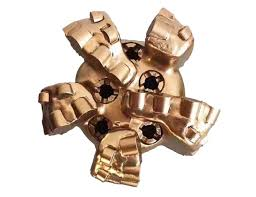
Diamond tipped drill bits are used in:
Stone and Granite Drilling
Granite, marble, quartz, and hard stone cutting.
Ceramic, Porcelain, and Tile Drilling
Smooth drilling without cracking delicate materials.
Glass and Crystal Processing
High precision required for fragile surfaces.
Geological Core Sampling
Core extraction from rock and soil formations.
Mining and Exploration
Hard rock penetration and mineral identification.
Masonry and Concrete Work
Reinforced concrete drilling with clean holes.
FSDRILL’s electroplated diamond bits excel in shallow core drilling, stone fabrication, and precise hole-making tasks.
Why Choose FSDRILL Diamond Drill Bits?The website highlights key advantages:
Thin-Wall Electroplated Design
Faster drilling, less resistance, clean hole edges.
API Thread Compatibility
Fits most geological and industrial drilling rigs.
Industry Standard Compliance
Meets global manufacturing requirements.
Strong Industrial Capability
Suitable for bulk orders and OEM/ODM production.
Durable Diamond Bonding
Uniform electroplating ensures long life and excellent cutting stability.
Frequently Asked Questions
How are diamond tipped drill bits made?
They are made by machining a steel body, preparing the surface, bonding industrial diamonds using electroplating or sintering, refining the cutting edges, heat-treating the body, threading for rig compatibility, and performing strict quality control.
What are diamond tipped drill bits used for?
They are used for drilling granite, marble, glass, ceramics, reinforced concrete, and geological formations. They are also used in stone fabrication, mining, and core sampling.
What is the difference between electroplated and impregnated diamond bits?
Electroplated bits use a single diamond layer for fast, sharp cutting — ideal for stone and glass.
Impregnated bits embed diamonds in a matrix for deeper, long-wear applications like mining.
Are electroplated diamond drill bits good for granite?
Yes. FSDRILL’s thin-wall electroplated diamond core bits are optimized for granite and other hard stones, delivering high drilling speed and clean holes.
Can FSDRILL supply diamond drill bits in bulk?
Yes. FSDRILL supports industrial-scale production, bulk orders, and OEM/ODM customization.
What rigs are these diamond bits compatible with?
Most FSDRILL bits feature API thread compatibility, suitable for standard geological and industrial drilling machines.
Do diamond drill bits meet industry standards?
Yes. FSDRILL’s products follow strict manufacturing and testing standards. Material certificates and specifications are available upon request.
Conclusion
Diamond tipped drill bits are engineered through a precise manufacturing process involving electroplating, industrial diamond bonding, shaping, heat treatment, and rigorous inspection. This advanced production method gives the bits the strength to drill through the hardest materials with exceptional accuracy.
FSDRILL’s Electroplated Diamond Drill Bits', such as the 75#Lq Diamond Core Bit, deliver performance, durability, and compatibility trusted by stone workers, miners, and drilling professionals worldwide.