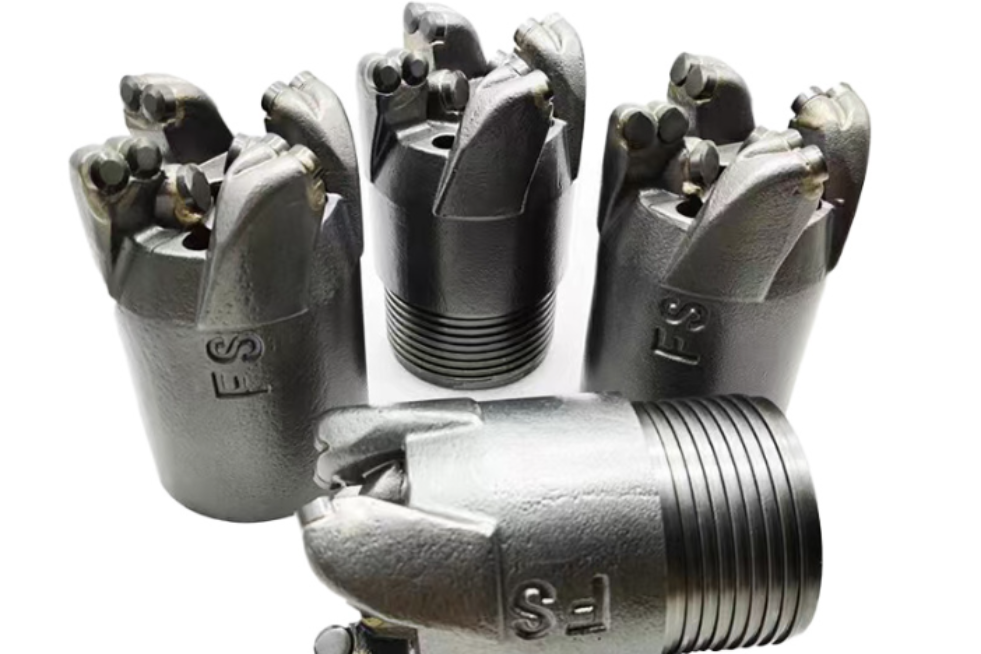
Not all drill bits are created equal. Some cut through pine with ease, while others can bore into solid granite or reinforced concrete. If you’ve ever burned out a bit mid-job, you know that strength matters. So, what is the hardest type of drill bit, and how do different materials compare?
This guide compares drill bit types by hardness, explains when to use each (from a simple masonry drill bit to industrial diamond cores), and shows how size, sharpening, and accessories like drill rods affect real-world performance.
The Quick Answer (Snippet-Ready)
The hardest type of drill bit is the diamond drill bit. Diamonds score a 10 on the Mohs hardness scale, outperforming cobalt and carbide when cutting stone, glass, or concrete. For metals, cobalt drill bits are the strongest option. For rock and concrete, carbide-tipped masonry bits dominate.
How Drill Bit Hardness is Measured
- Mohs Hardness Scale (minerals): Diamond = 10, quartz = 7.
- Rockwell Hardness (metals): Used for steel and cobalt alloys.
- Practical toughness: Not just hardness, but resistance to heat, wear, and breakage.
The “hardest” bit may not always be the “best”—diamond is extremely hard but brittle under shock, while cobalt resists heat in steel drilling.
Main Drill Bit Types by Hardness

1. High-Speed Steel (HSS) Bits
Hardness: Baseline (Rockwell ~60).
Best for: Wood, plastics, soft metals.
Pros: Affordable, versatile.
Cons: Overheats on stainless or hardened steels.
2. Cobalt Drill Bits
Hardness: Rockwell ~65, tougher than HSS.
Best for: Stainless steel, hardened alloys.
Pros: Resists heat, stays sharp longer in metal.
Cons: More brittle; can snap if misaligned.
Verdict: The best drill bit for metal drilling.
3. Carbide-Tipped Drill Bits
Hardness: Mohs ~9.
Best for: Concrete, masonry, tile.
Pros: Excellent wear resistance, crushes brittle material.
Cons: Brittle under bending stress; requires rotary hammer.
Verdict: The go-to concrete drill bit and masonry drill bit.
4. Diamond Drill Bits
Hardness: Mohs 10 (the maximum).
Best for: Granite, glass, porcelain, reinforced concrete.
Pros: Cuts the hardest materials cleanly; unbeatable edge life when cooled.
Cons: Needs water cooling; brittle if hammered.
Verdict: The hardest type of drill bit overall, ideal for stone, tile, and hard composites.
Strength Comparison Table
| Drill Bit Type | Hardness Rating | Best Material | Strengths | Weaknesses |
| HSS | Rockwell ~60 | Wood, plastics | Versatile, cheap | Weak on hard metal |
| Cobalt | Rockwell ~65 | Metals | Heat-resistant, durable in steel | Brittle under stress |
| Carbide-tipped | Mohs ~9 | Masonry, concrete | Excellent wear, fast penetration | Brittle, needs hammer drill |
| Diamond | Mohs 10 | Granite, glass | Hardest, clean precise cuts | Requires water, expensive |
Factors Beyond Hardness
- Bit size and geometry: Larger bits need lower RPM and more torque. A drill bit size chart helps match size to material and anchor.
- Tool pairing: Carbide needs hammer drills; diamond needs rotary-only with water.
- Cooling and dust control: Overheating kills even the hardest bit. Water or vacuum extraction extends life.
- Stability and reach: Long holes in rock require drill rods for alignment.
When to Use the Hardest Drill Bits
- Metal fabrication: Use cobalt bits for stainless and hardened steels.
- Concrete/masonry anchors: Carbide SDS bits in rotary hammers.
- Granite countertops/tile: Diamond hole saws or cores, water-cooled.
- Heavy infrastructure (deep holes): Diamond or carbide with drill rods to keep runs straight.
Sharpening and Care
Even the hardest bit dulls with use. A drill bit sharpener extends life for HSS and cobalt. Carbide-tipped bits can sometimes be re-ground, but diamond bits usually require replacement or professional dressing.
- Keep speeds within recommended RPM.
- Apply steady, not excessive, feed pressure.
- Cool with water or oil where needed.
- Store bits separately to protect edges.
Frequently Asked Questoins
What is the hardest type of drill bit?
Diamond drill bits. They top the Mohs scale at 10 and cut granite, tile, and glass.
Is a masonry drill bit the hardest?
No—masonry bits (carbide-tipped) are tough but not as hard as diamond. They’re the best choice for brick and concrete, though.
What’s the best concrete drill bit?
A carbide-tipped SDS bit in a rotary hammer drill. For reinforced concrete, diamond cores work better.
Do drill bit size charts matter?
Yes. Correct sizing ensures proper anchor fit and prevents damage to both the material and bit.
Can I sharpen diamond drill bits?
Generally no, but you can “dress” them by cutting into a soft abrasive block to expose new diamonds.
Wrap-Up
So, what is the hardest type of drill bit? The answer is diamond—nothing else cuts as cleanly through granite, glass, or porcelain. But “hardest” isn’t always “best.” For metal, cobalt is the winner. For concrete, carbide-tipped masonry bits rule.
The key is to choose the hardest bit for your material, pair it with the right tool, and keep it cool and sharp.