
Choosing between carbide and titanium drill bits can be confusing, especially when each claims durability and precision. The right choice depends on your material, project scale, and budget. This guide explains six key differences, offering practical tips and real-world advice to help you pick the bit that works best for your need.
Key Difference 1 — Material Composition
What Are Titanium Drill Bits Made Of?
Titanium bits are made from high-speed steel (HSS) and coated with titanium nitride (TiN). This coating improves hardness, reduces friction, and extends bit life—at least until the coating wears off.
What Are Carbide Drill Bits Made Of?
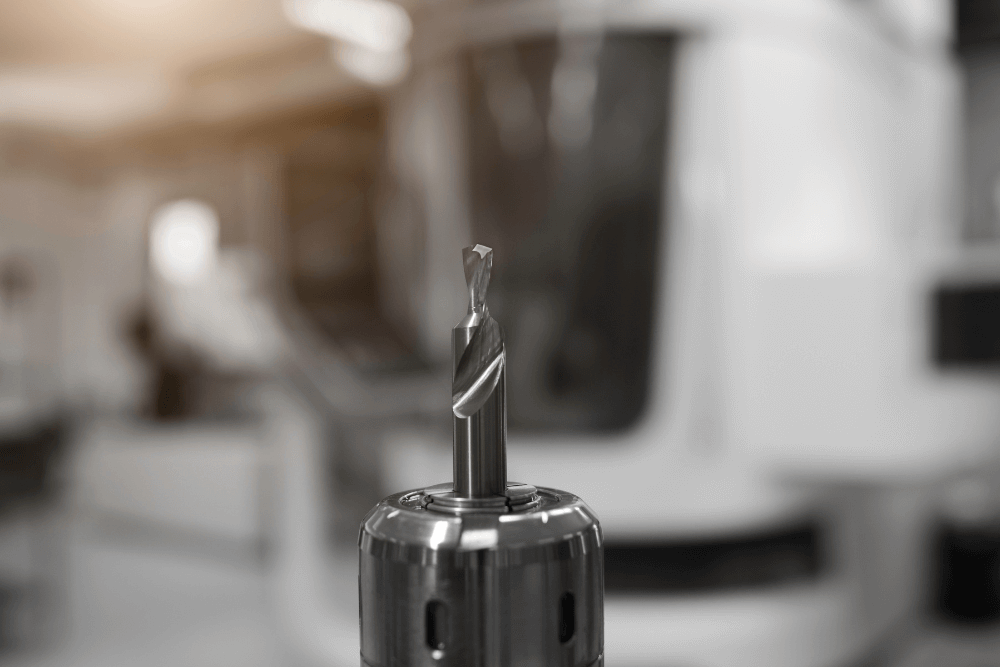
Carbide bits are made from either solid tungsten carbide or feature carbide tips on a steel body. These bits are extremely hard and heat-resistant, designed to handle the toughest materials.
What This Means for You
Titanium is great for general use, especially in softer materials like wood and plastic. If you’re working on harder metals or need consistent precision, carbide is the better choice.
Key Difference 2 — Durability and Lifespan
Titanium Bits Offer Moderate Lifespan
Titanium-coated bits are perfect for light to moderate jobs. They maintain sharpness longer than standard HSS, but once the coating wears off, performance drops quickly.
Carbide Bits Stay Sharper Longer
Carbide bits are engineered to withstand high heat and heavy use. They remain sharp much longer than titanium and resist wear, even in demanding environments.
Tip for Longer Life
- Use cutting oil when drilling metal to reduce friction
- Match your drill speed to the bit and material
- Avoid pushing too hard—let the bit do the cutting

Key Difference 3 — Material Compatibility
What Titanium Bits Work Best On
Titanium-coated bits excel on soft metals like aluminum, as well as wood, PVC, and plastic. They’re ideal for household projects, furniture assembly, and light fabrication work.
What Carbide Bits Are Made For
Carbide bits are made for hard materials like stainless steel, hardened steel, cast iron, and even ceramic tile or masonry. They're often used in mechanical, automotive, and industrial settings.
Real-World Recommendation
If you're doing basic home repairs or woodworking, titanium bits are enough. But if you're tackling an engine block, drilling through stone, or working with tough alloys—go carbide.
Key Difference 4 — Cutting Performance
Titanium Offers Clean, Fast Cuts in Soft Materials
Titanium bits cut efficiently in softer materials, producing smoother holes with minimal chatter and heat buildup.
Carbide Delivers Precision in Tough Jobs
Carbide bits shine when precision matters. They resist flexing, cut cleanly through hard surfaces, and maintain sharpness longer.
Avoid These Mistakes
- Don’t use titanium on hardened steel—it’ll dull fast
- Don’t use carbide on soft plastic—it may crack or chip the surface
Key Difference 5 — Cost and Value
Titanium Is Budget-Friendly
Titanium bits offer great value for casual users. They’re affordable, widely available, and a smart choice for general-purpose drilling.
Carbide Is an Investment
Carbide bits cost more upfront, but they last longer—especially when used on the right materials. For professionals, that’s long-term value.
Buying Tip
- Occasional user? Go with titanium
- Frequent or industrial user? Invest in carbide
- Only need it once? Buy a single carbide bit instead of a full set
Key Difference 6 — Ease of Use and Bit Behavior
Titanium Is More Forgiving
Titanium bits are easier to control and less brittle. They’re beginner-friendly and safer to use in handheld drills.
Carbide Requires Careful Handling
Carbide is harder but also more brittle. It can chip if mishandled or if excessive pressure is applied sideways. Best used with drill presses or in stable setups.
Best Practices for Beginners
- Start with a small pilot hole
- Clamp down the material to prevent shifting
- Let the bit cool down between uses to avoid overheating
How to Choose the Right Bit for Your Job
Step-by-Step Selection Guide
- Identify the material: Are you drilling wood, metal, or tile?
- Check your drill: Cordless, corded, or hammer drill?
- Match the bit:
Titanium: For general use and softer materials
Carbide: For hard metals, tile, or masonry
- Adjust drill speed: Use slower speeds for metal
- Use lubricant: Apply cutting oil for metal drilling
- Drill with control: Avoid forcing the bit through
For Specialized Jobs: Where PDC Drill Bits Fit In
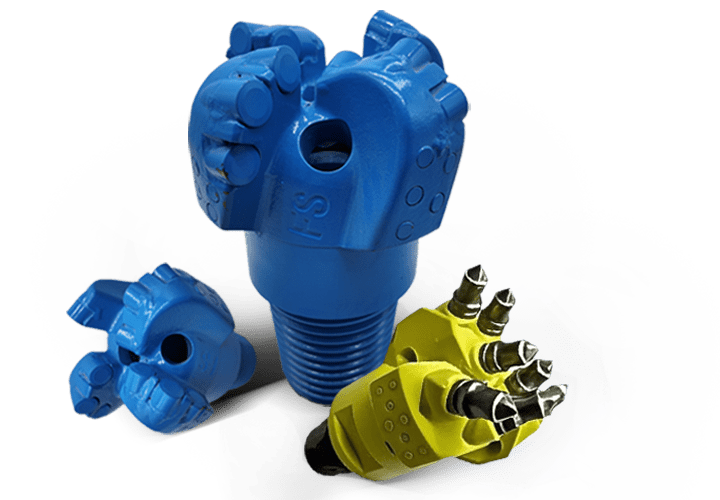
Titanium and carbide bits cover most everyday drilling needs—from wood and plastic to metal and tile. But if you're working in extreme conditions—like oil and gas drilling, mining, or geological exploration—you’ll need something tougher.
That’s where PDC drill bits (Polycrystalline Diamond Compact) come in. These bits are engineered to cut through solid rock, shale, and abrasive geological layers under high pressure and at deep depths. They're designed for industrial-grade rigs, not home workshops or handheld drills.
You likely won’t need a PDC bit unless you’re in a highly specialized field—but knowing they exist helps you understand the full range of drilling technology available today.
Related Reading: What Is a PDC Drill Bit?
Common Questions About Carbide and Titanium Bits
Can You Use Titanium Bits on Steel?
Only for mild steel. For stainless or hardened steel, use carbide.
Why Do My Drill Bits Dull So Fast?
You're likely using titanium on hard materials, or you're drilling too fast without proper cooling.
Are Carbide Bits Too Fragile for Handheld Drills?
If used with care, no. But they perform best in stable setups like drill presses.
Is Solid Carbide Better Than Carbide-Tipped?
Yes—for precision and lifespan. But it’s also more expensive and more brittle.
Final Thoughts — Which One Should You Choose?
If you're a DIYer or casual user, titanium drill bits are affordable and efficient for soft materials. If you're working with hard metals, stone, or drilling frequently, carbide drill bits are worth the investment.
Still unsure? Start with titanium for basic jobs—and upgrade to carbide when your projects demand more power and precision.