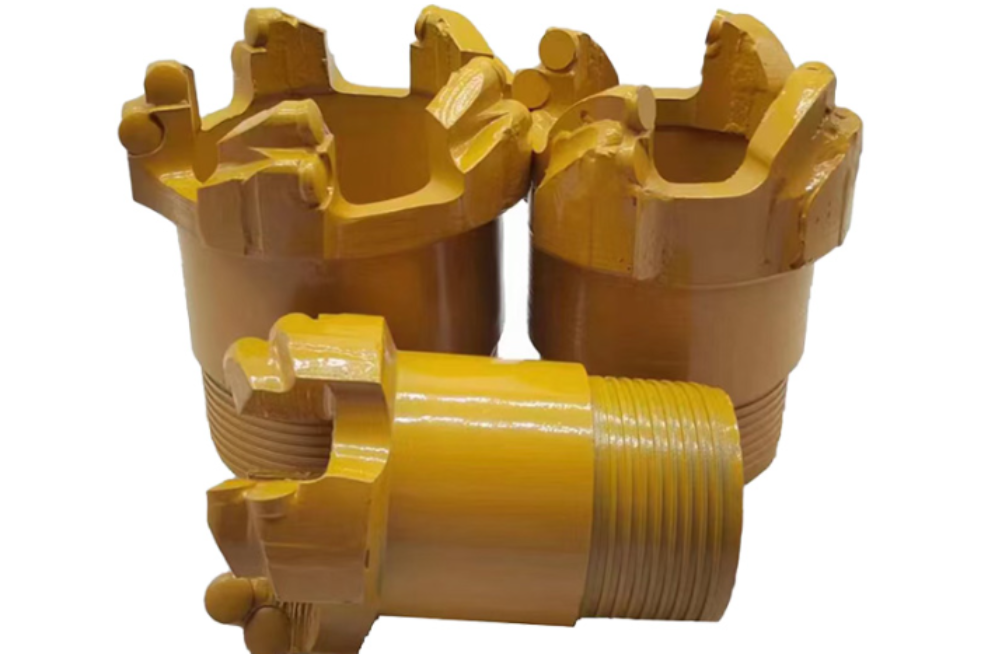
Drill bits might be small, but the wrong choice can ruin a project—or worse, damage an expensive material. The market is full of options, from bargain twist bits to industrial-grade diamond cores. So, what is the best type of drill bit to buy?
The answer depends on what you’re drilling. Wood, metal, masonry, rock, and granite each require a different cutting edge and design. In this guide, we’ll break down the top drill bit types, share reviews and real-world advice, and point you toward where to buy reverse drill bits, diamond drill bits, and even specific sizes like 37/64 drill bits.
Quick Take (Snippet-Ready)
- For everyday home and DIY projects → High-Speed Steel (HSS) Twist bits
- For wood precision → Brad-point, Forstner, or Spade bits
- For metal → Cobalt or Titanium-coated HSS bits
- For masonry and concrete → Carbide-tipped SDS bits
- For granite, glass, and tile → Diamond drill bits
Twist Drill Bits – The Everyday Essential
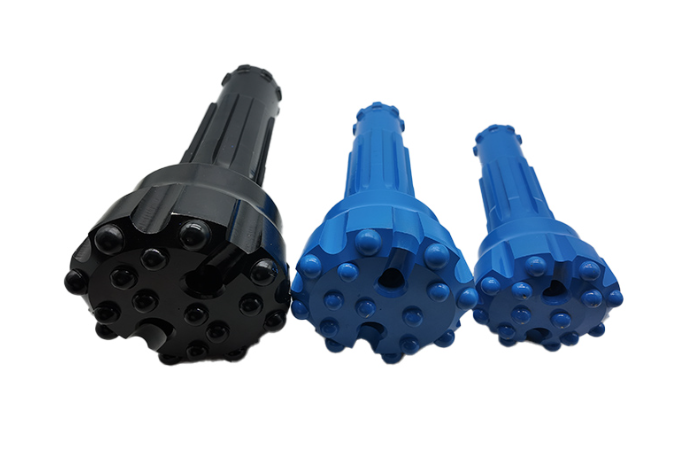
If you only buy one type, make it twist drill bits. They’re versatile, affordable, and work with wood, plastic, and soft metals.
Best for: Home repairs, furniture assembly, small-scale DIY.
Advice: Invest in a set with fractional and metric sizes for flexibility.
Brad-Point & Spade Bits – Best for Wood
For woodwork, the sharper the start, the cleaner the hole.
- Brad-point bits prevent wandering and give smooth finishes in furniture and cabinetry.
- Spade bits are cheaper, fast, and great for rough carpentry where precision isn’t critical.
Advice: Buy brad-points if you care about clean finishes. Spade bits are fine for speed and large-diameter holes.
Forstner Bits – Cabinetmakers’ Favorite
If you’re drilling flat-bottom holes—for example, for concealed hinges—Forstner bits are the go-to. They’re pricier, but nothing else delivers that level of neatness in hardwoods.
Advice: Buy a small set if you’re doing cabinetry or furniture work. Run them at lower speeds.
Cobalt and Titanium-Coated Bits – Best for Metal
Metal generates heat fast. Standard twist bits burn out on steel, so the best drill bit to buy for metal is cobalt alloy (M35/M42) or titanium-coated HSS.
Advice: Cobalt is tougher and lasts longer but costs more. Titanium coatings reduce friction but wear off over time. Keep RPMs low and use cutting oil.
Step Bits – Sheet Metal Specialist
Also called unibits, these cone-shaped bits cut multiple hole sizes in one tool. Perfect for HVAC work, thin sheet metal, or plastics.
Advice: Buy one good quality step bit instead of a cheap set. They last longer and stay sharper.
Carbide Masonry Bits – Best for Brick and Block
If you’re drilling into masonry, you need carbide tips. They’re built to crush brittle material. For small holes, a standard masonry bit works fine. For larger or deeper runs, switch to SDS carbide bits in a rotary hammer.
Advice: Use the hammer drill setting, back out periodically, and clear dust.
SDS-Plus and SDS-Max Bits – Rock and Concrete
For serious projects like concrete anchors, stone drilling, or structural holes, you’ll need SDS-Plus or SDS-Max bits. These lock into rotary hammers, giving more stability and impact energy.
Diamond Drill Bits – Granite, Tile, and Glass
When the material is harder than steel, only diamond will cut it. A diamond drill bit for granite or glass grinds through cleanly. Use water cooling to protect the bit and prevent cracking.
Advice: Buy wet-use diamond cores for countertops, sinks, and hard stone. For DIY, smaller electroplated diamond hole saws work well for faucets and fixtures.
Annular Cutters – Precision in Metal
Think of these as hole saws for steel. Instead of removing all material like a twist bit, they cut only the perimeter, making large clean holes efficiently.
Advice: Buy only if you need frequent large holes in steel; they require a mag drill for stability.
Specialty Bits – Filling the Gaps
- Countersink bits: Recess screws flush with wood.
- Plug cutters: Create wooden plugs to hide screws.
- Nail drill bits: For nail care (ceramic, carbide, diamond-coated).
These aren’t essential for everyone, but they round out a professional’s kit.
Where to Buy Specialty Drill Bits
Where to buy reverse drill bits: Hardware suppliers, Amazon, or specialty tool shops. These are useful for removing stripped or broken screws.
Where to buy 37/64 drill bit: Engineering supply shops, machinist catalogs, or online tool retailers—this odd size is often used in automotive and aerospace.
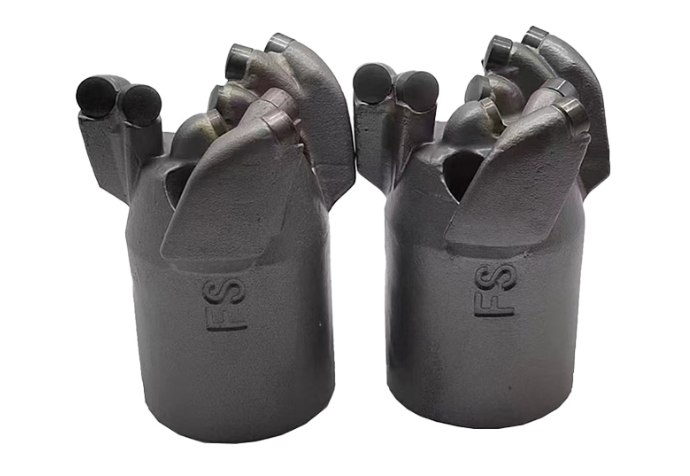
Where to buy a diamond drill bit: Tile and stone suppliers, pro hardware stores, or manufacturers like FSDRILL for industrial-grade options.
Buying Advice: Quality vs. Price
Not all drill bits are created equal. Here’s how to make a smart purchase:
- Buy sets for basics: Twist bits in a range of sizes, brad-points for wood.
- Buy singles for specialties: Diamond cores, Forstner bits, annular cutters.
- Look for brand reputation: Cheap unbranded diamond bits often fail fast.
- Match to the drill: SDS bits need SDS hammers; diamond cores need low-RPM rigs.
- Check replacement support: Can you replace a broken bit, or buy extensions?
Reviews at a Glance
- Everyday homeowner: Twist drill set + spade bits.
- Woodworker: Brad-point + Forstner set.
- DIY metal projects: Cobalt bits + step bit.
- Stone/concrete: Carbide SDS + diamond core.
- Professional installer: Mixed kit plus drill rods for reach.
Frequently Asked Questions
What is the best type of drill bit to buy overall?
If you only buy one set, go with High-Speed Steel (HSS) twist bits. They handle most everyday drilling. For harder tasks, add cobalt (metal) and diamond (stone).
Where to buy reverse drill bit for removing screws?
Available in most hardware stores or online under "screw extractor" kits.
Where to buy 37/64 drill bit?
Specialty machinist suppliers or industrial tool catalogs. Often ordered online.
Where to buy a diamond drill bit for granite?
Tile/stone suppliers, pro tool stores, or directly from industrial manufacturers.
Final Word
The best type of drill bit to buy depends on your material. Start with twist bits for general work, then add specialty bits as your projects grow. For wood, go brad-point or Forstner. For metal, cobalt or titanium-coated. For masonry, carbide SDS. For granite and glass, diamond is unbeatable.