
Diamond drill bits are essential tools in modern drilling operations, offering unmatched performance in hard rock formations and critical infrastructure projects. Whether you're an engineer, procurement officer, or project manager, understanding the fundamentals and best practices behind these tools can drastically improve drilling outcomes.
1. Understand The Core Function Of Diamond Drill Bits
How Diamond Cutting Works In Rock Drilling
Diamond drill bits operate through abrasive grinding rather than traditional mechanical cutting. Embedded synthetic diamonds grind away rock at high speeds, producing clean boreholes in even the hardest geological formations. The cutting process generates extreme heat, which is managed through effective cooling systems.
Mechanical Vs. Abrasive Penetration – What You’re Really Buying
Unlike roller cone or drag bits, diamond bits rely on the hardness of diamonds to abrade rock. You're not paying for brute force—you’re investing in controlled material removal, which delivers higher precision, lower vibration, and better core recovery in complex rock environments.
2. Types Of Diamond Drill Bits For Industrial Use
Surface-Set Vs. Impregnated Diamond Core Bits
Surface-set bits position a single layer of large synthetic diamonds on the crown, making them ideal for soft to medium formations. Impregnated bits contain multiple layers of smaller diamonds throughout a metal matrix, offering extended life and adaptability in mixed formations.
PDC Bits, TSP Cutters, Reaming Shells – Key Applications
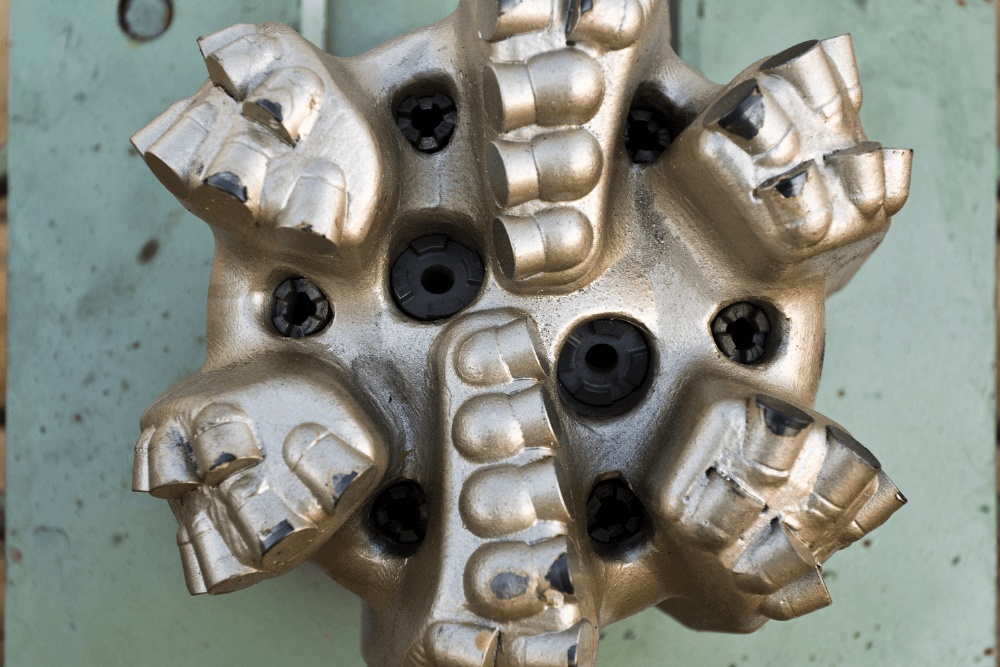
PDC bits are designed for high-penetration in softer rock, while TSP (Thermally Stable Polycrystalline) cutters and reaming shells are used to stabilize the borehole and reduce wear during deep drilling.
3. Common Applications Across Industries
Geotechnical Exploration And Mineral Core Sampling
Diamond core drilling provides intact rock cores essential for geological analysis and resource estimation. It remains the gold standard for mineral exploration due to its accuracy and depth capability.
Oil, Gas, And Water Well Drilling
Diamond bits are used in pilot holes and exploratory drilling to map sub-surface formations prior to full-scale drilling, especially in hard sedimentary or crystalline formations.
Civil Engineering And Foundation Investigations
Projects such as tunnels, dams, and skyscraper foundations depend on accurate subsurface data. Diamond bits are used to obtain rock samples for structural risk analysis and design validation.
4. Formation Suitability And Material Compatibility
Matching Bit Type To Rock Class – Soft, Medium, Abrasive, Hard
Not all bits are created equal. Matching bit type to formation is key: softer formations need aggressive designs, while harder and more abrasive rock requires tough matrices and controlled feed rates.
Abrasiveness Index And Formation Challenges
Formation Abrasiveness Index (FAI) helps engineers anticipate wear behavior. Highly abrasive rocks like quartzite demand durable impregnated bits with reinforced matrix composition.
Selecting Bit Design Based On Project Goals
Different drilling goals require different bit strategies. For core drilling, precision and stability are essential. For bulk removal or pilot holes, speed and penetration rate matter more.
At Fengsu Drill Bits, we offer customized bit designs tailored to your formation and objectives—adjusting matrix, crown profile, and cutter layout to meet performance needs.
No matter the goal—better core recovery, faster ROP, or longer service life—Fengsu delivers bits engineered for your job.
5. Diamond Bit Crown Design And Matrix Explained
Height, Shape, Matrix Type – What Affects Penetration
Crown height influences lifespan, while crown shape—round, semi-round, flat—impacts chip evacuation and torque resistance. Matrix grade governs diamond exposure rate, ensuring consistent cutting throughout bit life.
Standard Vs. Customized Crown Profiles
Standard profiles work well for general use. However, customized crowns designed for specific formations can dramatically enhance ROP, reduce vibration, and improve drilling stability.
6. Drill Rig And Rod Compatibility
Bit Size Standards – BQ, NQ, HQ, PQ
These are globally recognized size classifications that define the dimensions of drill bits, core barrels, and drill rods. Ensuring proper matching across BQ, NQ, HQ, and PQ sizes guarantees consistent core recovery, optimal drilling performance, and seamless equipment integration throughout the drill string.
Threading, Stabilization, And Reaming Shell Alignment
Proper threading ensures bit retention. Reaming shells must align concentrically to avoid deviation. Bit design must integrate seamlessly with the entire drill string.
7. Cooling And Flushing Systems Matter
Role Of Drilling Fluids In Bit Life And Core Recovery
Drilling fluid acts as coolant, lubricant, and transport medium for cuttings. Lack of proper circulation leads to overheating, glazing, or bit failure—especially in deep holes.
Bit Flushing Groove Design And Fluid Pressure Settings
Well-designed flushing grooves are essential for maintaining hydraulic efficiency. Proper fluid flow helps remove cuttings effectively, minimizes thermal buildup, and prevents clogging around the bit crown—especially in deep or abrasive formations. Adjusting fluid pressure and flow rate based on formation type can significantly improve bit performance and lifespan.
8. Optimizing Drilling Parameters For Performance
Speed And Load Settings For Different Rock Conditions
RPM and Weight-On-Bit (WOB) must be adjusted per rock type. Harder formations need lower RPM and higher WOB; softer formations allow higher speed with lower force.
Balancing Penetration Rate With Bit Preservation
Aggressive drilling may boost ROP but burns out bits faster. Real gains come from consistency—tracking torque, temperature, and cuttings can help refine drilling programs over time.
9. Key Factors That Affect Bit Life
Formation Hardness, Bit Selection, Flushing Quality
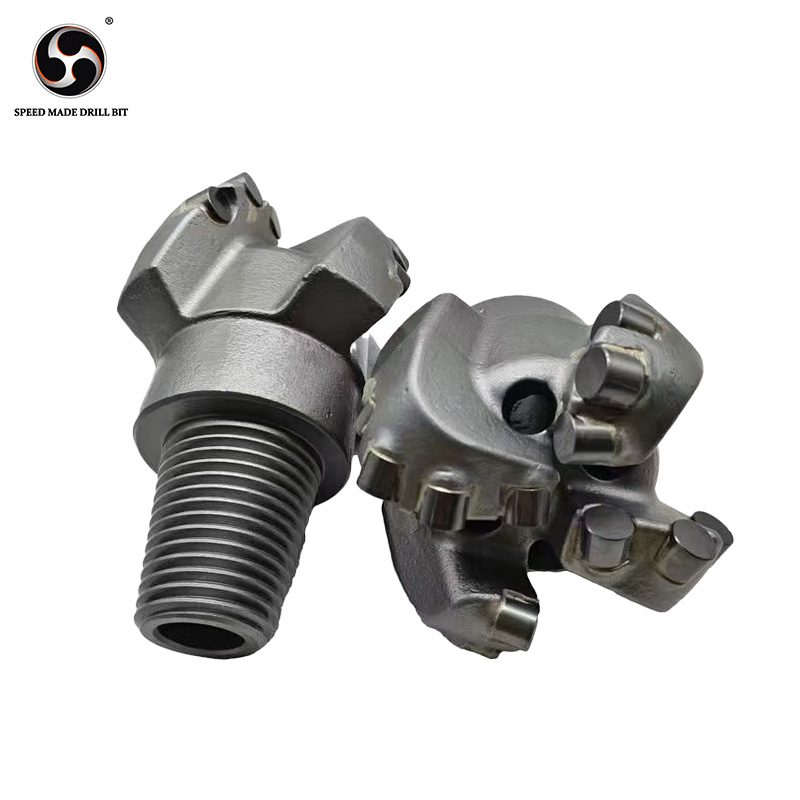
The three main wear drivers are rock type, cooling conditions, and bit structure. Poor match leads to rapid wear or catastrophic bit failure.
Early Signs Of Bit Fatigue Or Failure
Shiny or flattened diamonds, slow ROP, or erratic torque readings signal it’s time to pull the bit—waiting too long risks damage to rods or cores.
10. Interpreting Bit Wear Patterns For Predictive Maintenance
Uneven Wear, Crown Loss, Core Blockage – What They Indicate
Wear diagnostics offer critical insight into drilling performance. Flat or polished diamond surfaces suggest under-pressure or low WOB, reducing cutting efficiency. Excessive crown loss may indicate overdrilling, high torque, or overly aggressive settings, which can shorten bit life and damage equipment. Slurry buildup or core jamming often results from poor flushing, leading to overheating and uneven wear.
Regularly tracking these wear patterns helps operators fine-tune drilling parameters, optimize flushing, and avoid premature bit failure—improving efficiency and minimizing downtime.
11. Common Mistakes In Bit Operation And Handling
Overdrilling, Dry Drilling, Improper Setting Changes
These behaviors drastically shorten bit life. It’s essential to monitor parameter shifts during formation transitions to avoid overloading the bit.
Transport, Storage, And Field Maintenance Errors
Diamond bits should be cleaned after use, dried, and stored in foam-lined boxes. Rust, deformation, and misalignment often start with improper storage.
12. Why Customized Diamond Drill Bit Solutions Are Essential
Tailor-Made Designs For Varying Rock Formations
Standard bits are fine for uniform formations—but not for fractured, mixed, or high-pressure zones. FengSu drill bit engineers matrix, cutter layout, and crown height to match site-specific conditions.
Application-Specific Adjustments Backed By Field Performance Data
We analyze ROP, torque, and wear data from previous runs to refine the next batch of bits—providing better outcomes with every project iteration.
13. How To Choose A Reliable Diamond Bit Manufacturer
What To Look For – Engineering Expertise And Field-Tested Performance
A true partner offers more than a catalog. At FengSu Drill Bit, we back our tools with lab testing, geological matching, and fast iteration services.
Questions To Ask Your Supplier Before Purchase
Can you customize matrix and crown? Do you provide real wear analysis? What’s your delivery timeline? Can you optimize bits based on my drilling logs?
14. Cost-Efficiency Vs. Longevity – Finding The Right Balance
Total Drilling Cost Per Meter Metrics
Don’t just compare unit prices—factor in life span, rig time saved, and bit performance. A higher-priced bit may cost less per meter drilled.
When It’s Worth Paying For Premium Bits
In deep, abrasive, or high-ROP (rate of penetration) drilling projects, premium bits are engineered to withstand extreme conditions, reducing the risk of premature failure. By minimizing bit replacements and unplanned downtime, they often deliver greater overall cost-efficiency despite a higher upfront price.
15. Field Techniques To Maximize Bit Life And Reduce Downtime
Controlling WOB, RPM, And Flushing For Peak Performance
Skilled operators adjust on the fly. Watch for signs of overload, track motor current, and monitor return fluid—this feedback prevents early failure.
Monitoring Bit Wear In The Field
Set guidelines for pull-out inspections based on formation type and bit usage hours. Visual checks plus digital tools help ensure timely replacements.
Conclusion
Understanding the full spectrum of diamond drill bit technology—from design types and formation compatibility to operational best practices—is essential for improving drilling outcomes, reducing downtime, and maximizing return on investment. Whether you’re involved in mineral exploration, geotechnical analysis, or infrastructure development, choosing the right bit and using it correctly makes a measurable difference in both performance and cost-efficiency.